

By Sheunesu Hwande | Rushinga, Zimbabwe
Communal farmers in Ward 2, Rushinga District are taking proactive steps to mitigate the impact of a forecast El Niño, using the first rains of the season to accelerate preparations under the climate-resilient Pfumvudza/Intwasa conservation agriculture programme.
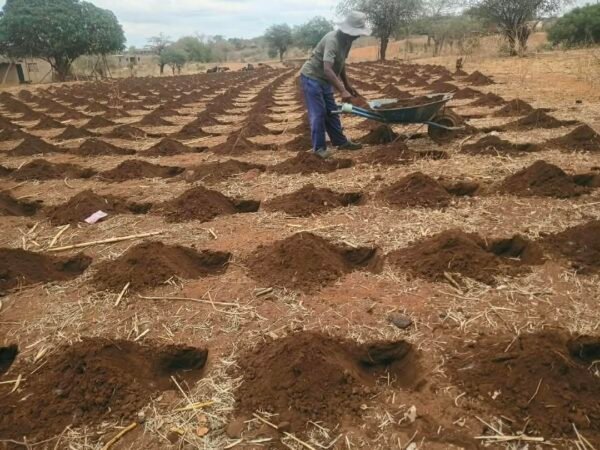
Farmers across villages including Bvenijena, Sadzandibaye, Nyaruwembo, Nyamavhuvhu, Munyukisa and Manyozo have intensified field activities, focusing on digging precise planting basins, applying well-decomposed manure, and mulching to conserve soil moisture.
The early action follows technical advisory from Agricultural Business Advisory Officers (ABAOs) and seasonal forecasts issued by the Meteorological Services Department (MSD), which have warned of normal-to-below-normal rainfall for the 2026/27 season due to El Niño.
As shown in the field, planting basins are being dug to exact recommended dimensions and enriched with organic manure — a core Pfumvudza principle designed to improve soil fertility, enhance water infiltration, and ensure moisture retention in drought-prone areas.
A senior village head commended the farmers for heeding expert advice, noting that circumspect planning and early preparedness remain critical to safeguarding household food security even if the rains falter.
“The farmers have shown commendable commitment. This early preparation is key to resilience,” he said.
The government continues to promote Pfumvudza as a key buffer against climate shocks, with agronomists noting that the system can guarantee reasonable yields even under low and erratic rainfall when correctly implemented according to conservation agriculture principles.
The programme emphasizes minimum soil disturbance, timely planting, mulching, crop rotation, and precise application of inputs — practices now being adopted at scale in Ward 2 as a defensive strategy against the anticipated dry spell.