

As diabetes becomes South Africa’s leading underlying natural cause of death, questions about food affordability, public policy, and the environments in which people eat are taking on new urgency. These issues will be among the focus areas for the Physicians Association for Nutrition (PAN) South Africa and PAN International at the 18th World Congress on Public Health (WCPH), taking place in Cape Town from 6 to 9 September 2026.
Held at the Cape Town International Convention Centre under the theme Health Without Borders: Equity, Inclusion, and Sustainability, the congress will bring together more than 2,000 public health professionals, researchers, policymakers, and other stakeholders for four days of global and African public health dialogue.
Diabetes crisis puts food affordability and policy in focus
According to Statistics South Africa, diabetes mellitus was the leading underlying natural cause of death in 2023, accounting for 27,692 deaths, or 5.8% of all recorded deaths. It ranked first for the second consecutive year.
Against this backdrop, PAN South Africa Chief Operating Officer Dr Heinrich Volmink will join the session “Declaring diabetes a public health crisis in South Africa: From civil society call to whole-of-government response” on Tuesday, 8 September from 18:00 to 19:00.
Organised by the Diabetes Alliance in partnership with the Public Health Association of South Africa (PHASA), Healthy Living Alliance (HEALA), South African Medical Research Council (SAMRC), PAN South Africa and the National Department of Health, the session will examine what recognising diabetes as a public health crisis should mean in practice.
Dr Volmink will explore a fundamental question: can healthy eating continue to be framed solely as an individual responsibility when affordability, availability, and choice are increasingly shaped by the commercial determinants of health? Drawing on his experience and expertise in public health, he will examine how government and civil society can work together more effectively to address the growing diabetes crisis.
“The diabetes crisis requires us to look beyond individual behaviour. If healthier choices are consistently less affordable or less accessible, public health cannot place the full responsibility on individuals. We need coordinated action across government, civil society, healthcare, and the food system.”
Evidence shows nutrition can be part of the clinical response
The discussion comes as South African research continues to highlight the potential of dietary intervention in diabetes care. A study published in the South African Journal of Clinical Nutrition followed 10 adults with type 2 diabetes who adopted a 21-day dietary intervention consisting predominantly of vegetables, fruits, whole grains, legumes, nuts and seeds, while excluding oil and added sugar. Participants experienced improvements in blood glucose control and weight, with some requiring less diabetes medication during the intervention. Its findings contribute to the evidence that nutrition can be an important component of comprehensive diabetes management.
For PAN South Africa, the evidence reinforces the need to consider not only individual dietary choices, but also whether food systems and public policies make healthier choices accessible and affordable.
From South African dietary guidelines to African food systems
PAN’s contribution to WCPH will also extend to the relationship between nutrition, health and sustainability. On Monday, 7 September at 12:00, Sumati Bajaj, Nutrition Knowledge Specialist at PAN International and an EAT-Lancet Commission contributor, will co-host “Contextualising the Planetary Health Diet: Stories of Progress from the African Region.” The session will explore how the EAT-Lancet Planetary Health Diet can be interpreted and implemented across diverse African contexts, considering local food cultures, affordability, nutritional needs, and practical barriers.
The discussion follows PAN South Africa’s recent policy brief, South Africa’s food-based dietary guidelines are due for an update: recommendations to meet health and climate goals, which calls for South Africa’s dietary guidelines to better reflect current evidence on health and sustainability.
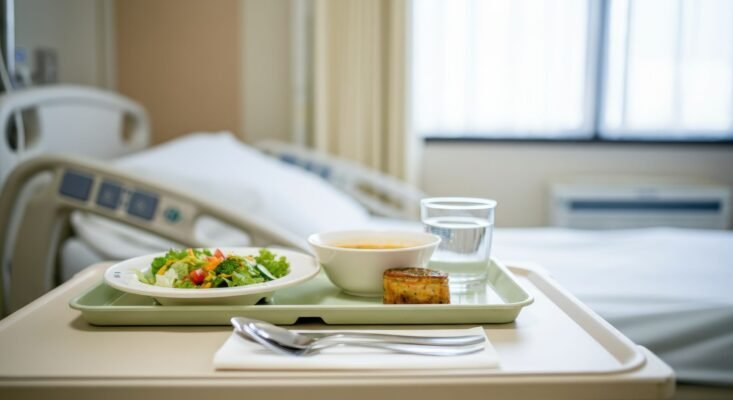
Hospitals as part of the food system
PAN International will also highlight the role of healthcare institutions in creating healthier food environments.
On 7 September, PAN South Africa Project Manager, Pierrette Nhlapo, MPH, RD, will present the poster “The Global Healthy Hospital Food Network: A Multidisciplinary and International Alliance for Healthier and Sustainable Hospital Food Systems” on behalf of Dr Evelyn Medawar, Director of PAN International’s Global Healthy Hospital Food Project, and the founding members of the Global Healthy Hospital Food Network.
The international initiative brings together healthcare professionals, researchers and organisations working to improve hospital food systems so that they support health, nutrition, and sustainability, benefiting patients, healthcare workers, and the wider healthcare environment.
“Hospitals have a unique opportunity to turn nutrition principles into practice. Improving the food environment is not only about what appears on a menu; it is about creating healthcare settings where the healthier choice is accessible, culturally relevant, and consistent with the purpose of promoting health.”
Connecting public health evidence with action
PAN South Africa will also have an exhibition booth throughout the congress, where delegates can meet the team and learn more about PAN’s work to advance evidence-based nutrition in healthcare and medical education.
From diabetes prevention and food affordability to dietary guidelines and hospital food environments, PAN’s participation reflects a central public health reality: health is shaped not only by what happens in the consulting room, but by the food environments, policies and systems surrounding people every day.
As the global public health community gathers in Cape Town to consider equity, inclusion and sustainability, the challenge is to move these principles from discussion into action, creating food and health systems that make healthier choices more achievable for everyone.