

One of the most sustainable farming methods to counteract harmful pests in African farms is Integrated Pest Management (IPM). Introducing certain predatory insects to farming fields protects valuable crops such as cassava and maize. There are other sustainable farming practices to protect crops as well, but the primary focus should be on predatory insects.
Integrated Pest Management
IPM is when farmers deliberately introduce certain predatory insects into crop fields to control pests without harmful pesticides. The method is more sustainable and helps African farmers avoid overuse and overreliance on toxic chemicals. The issue of pesticides is more relevant in Africa, since corporations are selling them chemicals that are banned in the United Kingdom. Pesticides kill pests, but they damage the environment.
Beyond limiting pests, IPM also improves plant soil health because they are no longer subject to chemicals. It enhances the farm’s environment by introducing new insects into the ecosystem. Finally, it reduces input costs, since adding new insects to an area is relatively inexpensive compared to paying for large amounts of chemicals. Utilizing methods like IPM reduces the need for pesticides and supports African farmers in pest control.
Notable Predators to Reinforce Farms
The next step beyond learning about IPM is knowing which predatory insects to incorporate into the farm. It is mainly reliant on the crops and pests present in each field, so the following are a few common predators that can eliminate some familiar pests.
Lacewings and Ladybugs
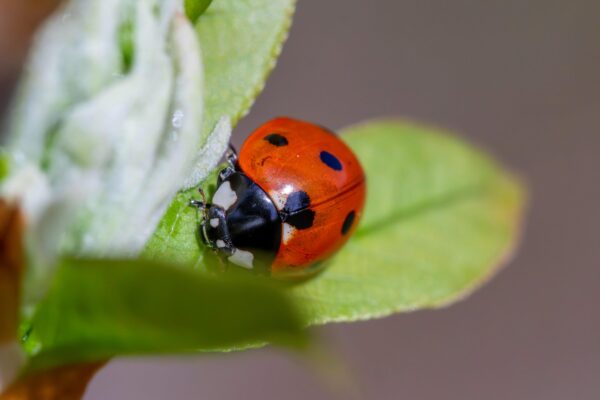
Lacewings and ladybugs are common predators for cassava mealybugs and whiteflies. Cassava is a prevalent plant in Africa, so the need to protect it is greater. Also, whiteflies can transmit Cassava Mosaic Disease and Cassava Brown Streak Disease, which is harmful and easily spreads among cassava crops. Whiteflies are particularly dangerous for smallholder farmers who only grow cassava.
Wasps and Predatory Bugs
Wasps and similar predatory bugs attack armyworm eggs. Armyworms are common predators of maize crops. When wasps and bugs eat the eggs, it reduces the number of armyworms and prevents them from reproducing and causing an infestation. Maize crops should thrive after introducing wasps or other predatory bugs to the area.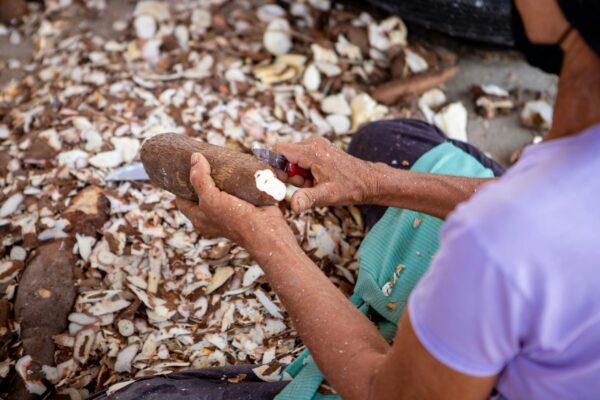
Alloeocranum biannulipes Montr. et Sign.
Beyond common predators like lacewings and wasps, there are also specialized insects such as Alloeocranum biannulipes Montr. et Sign. They are predatory insects that kill yam chips beetles and larger grain borers, which target stored products. Yams and grain are significant crops in Africa that need protection. Beetles and larger grain borers are harmful pests in the climate as well. Eliminating them benefits both the farmer and the surrounding environment.
The Case of Termites
To demonstrate a specific example of a damaging pest, termites are the best option. They famously damage wooden structures, but they also infiltrate farms and harm maize crops and soil health. Termites have natural predators as well. Some notable predators are ants, birds, spiders, reptiles, frogs and bats. Using predatory insects, such as ants, to control termites is a great way to foster sustainable farming and limit significant crop losses.
How to Identify Predatory Insects
The key to identifying which predatory insects to utilize is to learn about the local region and its native animals. The predators outlined above are specific to Africa, but there are many other insects as well. Africa is a continent known for its rich biodiversity, so farmers should have no trouble finding predatory insects to attract.
Upon researching the local area and its native plants, farmers can choose predators from their findings and create a desirable habitat for them within the farm. While protecting farms from overreliance on pesticides, allowing predatory insects a place to thrive safeguards their species as a whole.
A Guide to Practicing IPM
Farmers looking to practice IPM but unsure where to start can create an actionable checklist. The main way to begin is by identifying the top pests affecting the primary crop in the field. For example, if whiteflies are infecting cassava, then whiteflies are one of the primary targets, and cassava is the main crop. One method is to section off an area of the cassava plants and use it to attract beneficial predators by planting their favorite flowers or creating conditions that favor their growth.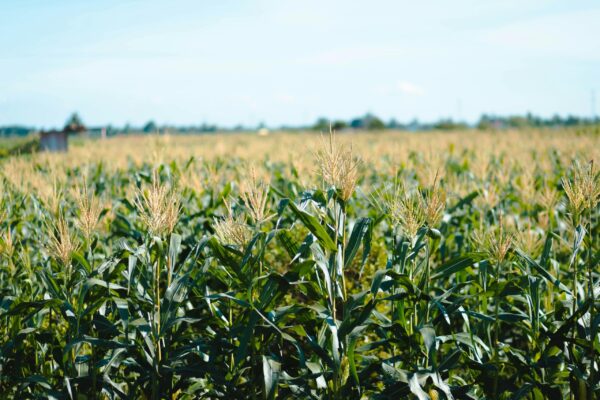
Once farmers create the section, the most crucial part is to stop spraying as many pesticides in that area, as that would eliminate both predatory insects and pests alike. Ideally, farmers will observe that the predatory insects in that area do a better or similar job of protecting the plants than the chemicals. African farmers can then use the results and determine a more comprehensive pest control strategy for the entire farm.
Other Sustainable Farming Tactics
To thoroughly eliminate pests, farmers should introduce other sustainable farming tactics that keep predatory insects around longer. The following are some specific ways to do that.
Cover Crops
Cover crops are plants farmers grow during the offseason to protect the soil. If the soil is healthy, it is easier for predatory insects to burrow in and sustain themselves until farmers need them for the following growing season.
Intercropping
Intercropping is when farmers plant multiple crops in one field. It can enhance the area’s diversity and increase crop yields. Intercropping also provides more habitats for predatory insects to breed. Farmers can help this by purposefully including crops that these insects thrive on.
Pesticide Reduction
IPM reduces pesticide use, but farmers should also be conscientious about the amount of chemicals they use, regardless. They must carefully read the box to determine how much is safe to use and limit it to only necessary precautions. Pesticides harm predatory insects too, so keeping them around requires lessened chemical usage.
Habitats
Farmers who want to go above and beyond can create specific habitats for the predatory insects. Some farmers create beetle habitats to keep them around and thriving all year. They can choose which insects eliminate the most pests and create habitats that directly appeal to that creature.
Sustainable Farming with Predators
Utilizing predators to combat pests without harmful pesticides is a sustainable farming method. It protects crops while reducing the pollution and other harmful effects associated with common pesticides. Since many dangerous chemicals are on the market in Africa, farmers must actively reduce their accessibility by practicing sustainable farming techniques and creating an actionable plan to test results and incorporate the methods further.