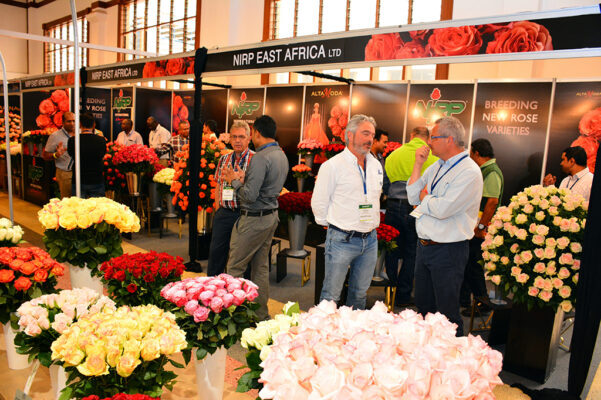
Kenya’s flower industry is facing one of its toughest periods in recent years as escalating geopolitical tensions in the Middle East drive up air freight costs, threatening export earnings, jobs, and the livelihoods of thousands of workers.
Industry stakeholders say the cost of shipping flowers by air has surged from about $3.10 (Sh402) per kilogram to nearly $5.00 (Sh648) per kilogram within weeks, pushing logistics expenses to as much as 60 per cent of total export costs during peak periods.
The increase has been attributed to disruptions in global transport routes and constrained cargo capacity as airlines reroute flights to avoid conflict zones in the Middle East.
The sharp rise in freight charges comes at a time when Kenya’s floriculture sector, one of the country’s leading foreign exchange earners, is heavily dependent on air transport to deliver fresh flowers to markets in Europe and other destinations.
According to the Kenya Flower Council (KFC), approximately Sh518 million worth of flower exports are at risk every week due to shipment disruptions and rising logistics costs. Some flower farms have reported revenue declines of up to 75 per cent as delays and higher operating expenses eat into margins.
Industry leaders warn that if the situation persists through the northern hemisphere summer season, Kenya could lose up to 20 per cent of its flower export volumes. The impact could extend beyond farms to the broader value chain, putting as many as 50,000 jobs at risk.
The sector supports more than one million livelihoods across the country, including farm workers, packers, graders, transporters and logistics providers. Women make up a significant share of the workforce, making the crisis particularly concerning for households that rely on floriculture incomes.
The freight challenges facing exporters mirror broader disruptions affecting global trade. Importers in East Africa are also preparing for higher costs after shipping giant Maersk announced increased freight surcharges on cargo moving from China and Hong Kong to the ports of Mombasa and Dar es Salaam.
The new peak-season surcharges, which take effect in June, raise costs for both 20-foot and 40-foot containers and are expected to increase the price of imported goods across the region.
Trade analysts say the combination of higher sea freight costs and soaring air cargo rates highlights the vulnerability of global supply chains to geopolitical shocks. The ongoing disruptions have forced carriers to adjust routes, absorb higher insurance and fuel costs, and manage reduced transport capacity.
For Kenya’s flower exporters, however, the challenge is especially acute because flowers are highly perishable and depend on reliable, timely air transport. When cargo space becomes scarce, flowers are often among the first products displaced from aircraft, increasing the risk of spoilage and missed market opportunities.
The sector is also bracing for another potential setback as the United Kingdom’s tariff relief scheme for East African flowers is scheduled to expire at the end of June, raising concerns about competitiveness in one of Kenya’s key export markets.
With export revenues under pressure and logistics costs climbing, industry players are urging governments, airlines and international partners to work together to safeguard cargo capacity and prevent further disruption to a sector that remains a cornerstone of Kenya’s agricultural exports.