

Photo by @kalromkulima
Kenya is considering adopting a traditional maize-processing technology developed in Mexico as part of efforts to improve food security, nutrition and value addition, the Kenya Agricultural and Livestock Research Organization (KALRO) has said.
In a statement posted on X, KALRO said the technology, known as nixtamalization, was the focus of a workshop that brought together researchers, universities, development partners and experts from Kenya and Mexico to explore its potential for local use.
According to KALRO, the workshop examined the progress of adapting the traditional maize-processing method in Kenya and how it could enhance the nutritional quality and safety of maize while creating new opportunities for value addition.
KALRO said Deputy Director General for Crops, Dr. Alice Murage, welcomed participants and reaffirmed the organization’s commitment to advancing research, innovation and technology transfer to boost agricultural productivity and strengthen food security.
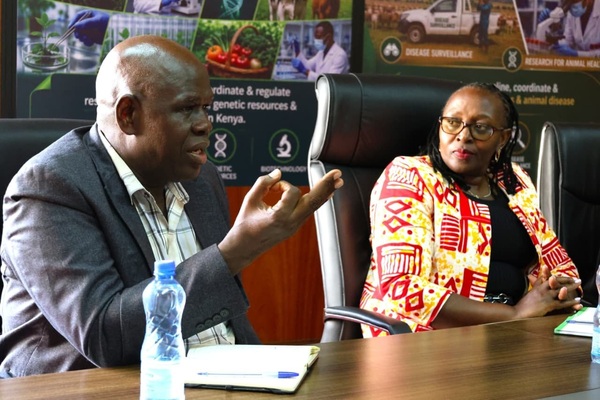
Opening the workshop, Dr. Charles Bett, Institute Director of the Apiculture and Beneficial Insects Research Institute, emphasized the importance of collaboration, innovation and strategic partnerships in advancing food security and nutrition. He also called for the establishment of innovation hubs to accelerate the adoption of the technology in Kenya.
Representing GIZ Mexico, Dr. Alexis Kastanos said the Kenya-Mexico cooperation project combines scientific research with indigenous knowledge to strengthen sustainable food systems. He added that international collaboration is critical in transferring appropriate technologies that can benefit Kenyan communities.
During the technical session, Dr. Leticia García Cruz explained the science and history behind the traditional maize-processing method, saying it improves the nutritional quality and safety of maize. According to KALRO, the process increases the availability of essential nutrients such as calcium, iron and niacin, reduces harmful mycotoxins and supports the production of a wide range of nutritious maize-based foods.
KALRO said the Kenya-Mexico partnership has already made progress in adapting the technology to local conditions through research, training, pilot demonstrations and stakeholder engagement. The initiative aims to improve food safety, promote value addition and create sustainable livelihood opportunities.
Participants also took part in a practical cooking session where they milled processed maize and prepared tortilla-wrapped pies, demonstrating the technology’s potential for developing diverse maize-based food products.
KALRO said the workshop reaffirmed its commitment to research, innovation and strategic partnerships that support agricultural transformation and a more food-secure and nutritionally healthy Kenya.