

Ghana’s oil palm industry offers opportunities for agricultural value addition, rural employment and improved livelihoods, however, inefficient processing equipment, limited financing, inconsistent product quality and unreliable markets continue to constrain smallholder farmers and indigenous processors.
In this, Amansie Oil Mills, a cottage processing mill at Twifo Praso in the country’s central region, is pursuing modernisation to address these challenges and strengthen the palm oil value chain.
Established in 2018, the agribusiness has built relationships with farmers, outgrowers, fruit suppliers and artisanal millers. Its proposed investment in modern processing technology aims to improve efficiency, diversify production and expand commercial opportunities.
“The future of Ghana’s palm oil industry depends on modern technology, reliable markets, stronger relationships with smallholder farmers, and investment in local processing infrastructure,” says Appiah Kubi, Managing Director at Amansie Oil Mills.
From indigenous enterprise to modern processing
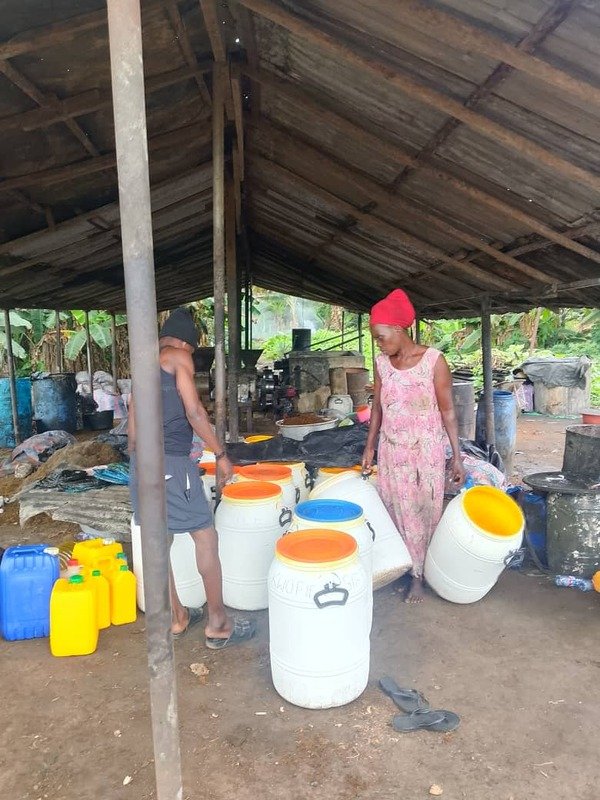
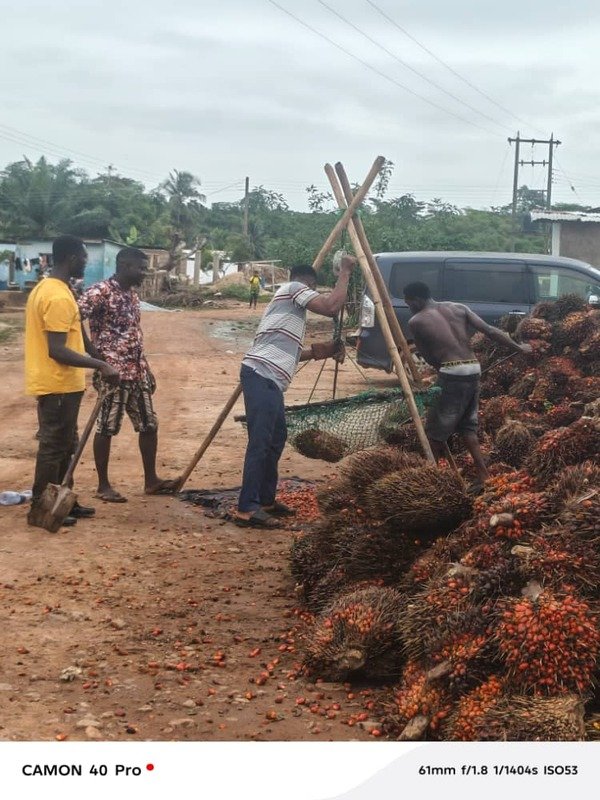
Amansie Oil Mills began by connecting oil palm farmers, artisanal millers, processors and markets. However, limited capital, traditional technology, rising operating costs and difficulties sourcing and processing fresh fruit bunches constrained its development.
Existing machinery restricted processing volumes, oil recovery and product consistency. Because harvested fruit must be processed promptly to preserve quality, inadequate capacity can affect the entire supply chain.
“We recognised that simply increasing the volume of fruit we purchase would not solve our underlying production challenges. We needed to improve the technology through which that fruit was processed,” Kubi explains.
The company is currently on hold while pursuing modernization with ab objective to resume operations with improved capacity, efficiency and competitiveness and achieving this requires financing, appropriate equipment, engineering expertise and viable commercial partnerships.
Smallholder farmers at the centre
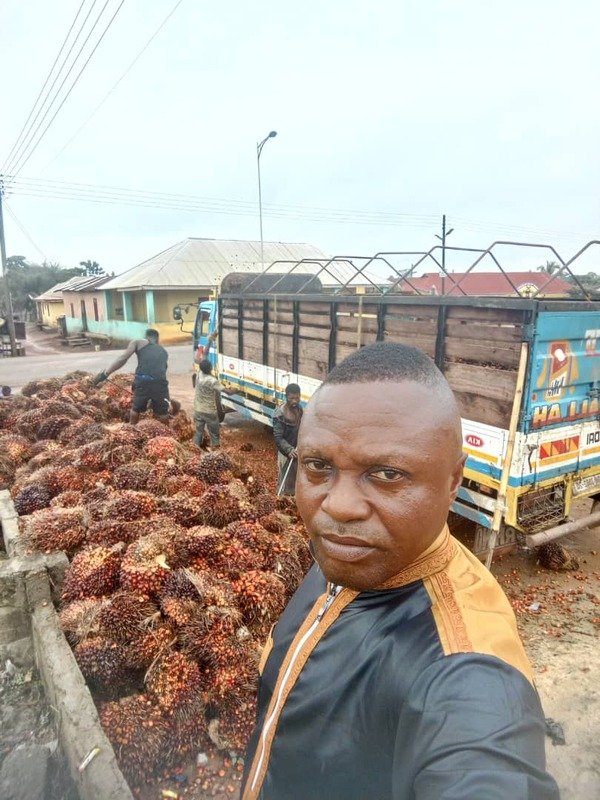
Amansie Oil Mills’ sourcing network has included approximately 500–1,000 smallholders and outgrowers, although active supplier numbers vary according to operating conditions and seasonal availability.
“These farmers are essential to the future of our business,” Kubi says. “They invest their time, labour, land, and resources in producing fresh fruit bunches, while processors provide an important route through which their agricultural produce can be converted into marketable products.”
Artisanal millers also support rural employment and economic activity but often lack the equipment and resources needed to improve extraction efficiency and maintain consistent quality.
The proposed modernisation aims to provide a more efficient processing outlet, encourage collaboration with artisanal millers and establish a more dependable market for farmers’ produce. Better coordination of harvesting, transportation and processing could reduce delays and help preserve fruit quality.
However, improved processing does not automatically guarantee higher farmgate prices. Farmer incomes will depend on purchasing arrangements, market conditions, operating costs and agreed commercial terms.
The company intends to promote transparent purchasing practices and strengthen relationships with farmer cooperatives and outgrower groups. Progress could be assessed through supplier participation, fruit purchases, processing turnaround times, extraction efficiency and payment consistency.
Modern technology and sustainable production
The proposed expansion centres are a two-tonne-per-hour crude palm oil processing line and an additional 0.5-tonne-per-hour palm kernel oil processing line.
The crude palm oil system is expected to incorporate fruit handling, sterilisation, digestion, pressing, clarification and oil recovery equipment. A dedicated kernel oil line would diversify production and create additional value from palm kernels.
“The proposed investment will provide an opportunity to increase processing capacity, improve oil recovery, strengthen quality control, and develop additional value from palm kernel products and processing by-products,” Kubi says.
The company also intends to improve moisture control, storage, handling and quality testing to meet buyer specifications and deliver more consistent products.
Installed capacity alone, however, does not guarantee maximum production. Actual output will depend on operating hours, fruit availability, equipment performance, extraction rates and market demand. The company therefore intends to assess performance against an established baseline.
Environmental management is another priority. Palm oil processing can generate wastewater, organic residues and emissions if resources are handled improperly.
Amansie Oil Mills plans to assess energy-efficient systems and productive uses for biomass residues, including palm kernel shells and fibre. It will also consider wastewater treatment and biodigester technology to manage palm oil mill effluent and potentially recover biogas for energy.
These measures remain proposals whose benefits will depend on appropriate design, installation and monitoring with the broader objective being to combine commercial efficiency with responsible resource management, safer working conditions and a more resilient supply chain.
Partnerships to unlock rural opportunities
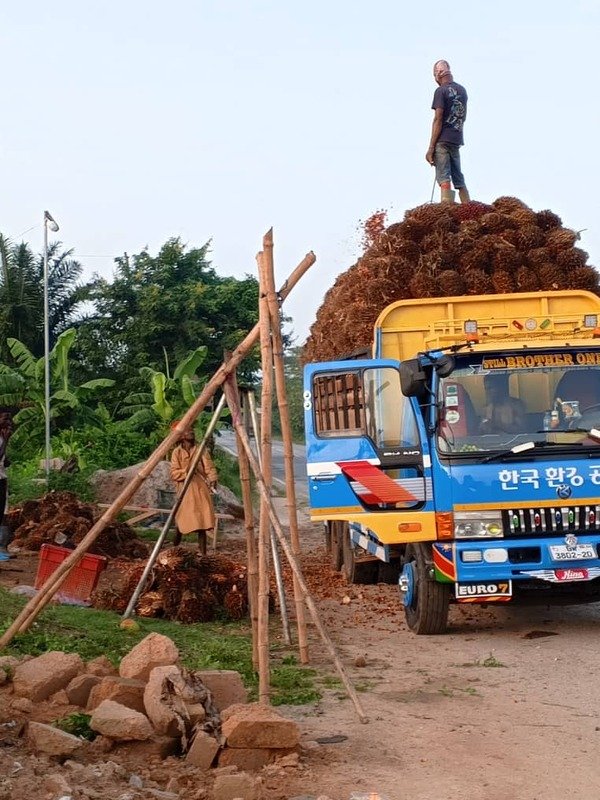
According to Kubi, financing remains a major barrier to the proposed expansion as modern processing equipment requires substantial upfront investment, while indigenous agricultural enterprises often struggle to secure affordable, longer-term credit.
He believes financial institutions, government agencies, development partners, research organisations and technology providers should render support towards overcoming these challenges.
“Financial institutions have a particularly important role because modern processing equipment requires significant upfront investment,” he says.
Longer repayment periods, appropriate grace periods and risk-sharing arrangements could help viable processors invest without placing excessive pressure on working capital.
Government agencies could support infrastructure development, agricultural extension and compliance with environmental, food safety and product quality requirements.
Universities and research institutions could contribute expertise in extraction efficiency, quality assurance and waste treatment, while development partners and impact investors could support technical assistance, farmer training and sustainable processing.
Equipment manufacturers would also need to provide installation, commissioning, operator training, maintenance and spare parts.
“For Amansie Oil Mills, we are seeking a credible combination of investment, appropriate processing technology, technical expertise, and market partnerships to implement our expansion,” Kubi says.
The proposed project could create employment in processing, maintenance, transportation, quality control, administration and agricultural sourcing.
Women, young people and local service providers could benefit, although actual outcomes will depend on implementation, fruit supplies, market demand and financial sustainability.
The company intends to monitor jobs created or sustained, participation by women and young people, supplier engagement, product quality, energy consumption and wastewater management once operations resume.
Building a stronger palm oil value chain
Amansie Oil Mills’ modernisation ambitions reflect a broader challenge facing African agriculture: increasing farm production alone cannot deliver its full economic benefits without efficient processing, reliable markets and access to finance.
“Africa has significant agricultural potential, but many smallholder producers remain constrained by gaps in processing infrastructure and limited access to affordable capital,” Kubi says.
The company is inviting investors, financial institutions, development organisations, technology providers and strategic buyers to explore partnerships supporting its proposed expansion.
“Our goal is to build a stronger Amansie Oil Mills while contributing to the livelihoods of smallholder farmers and the long-term development of Ghana’s palm oil industry,” Kubi concludes.