

Small-scale farmers across Southern Africa are facing mounting climate risks from unpredictable rainfall and droughts, to declining soil health and pest pressures.
In response, Solidaridad has launched the Climate-Smart Horticulture Production Manual for Small-Scale Farmers, a practical field-tested guide designed to help farmers adapt to climate change while producing nutritious, marketable vegetables.
The manual aligns with Solidaridad’s broader objective in the region to strengthen sustainable agriculture and build resilient smallholder farming systems across Southern Africa, where agricultural livelihoods are central to food security and rural economies.
From Cotton to Year-Round Vegetables production: A Farmer’s Story of improved income
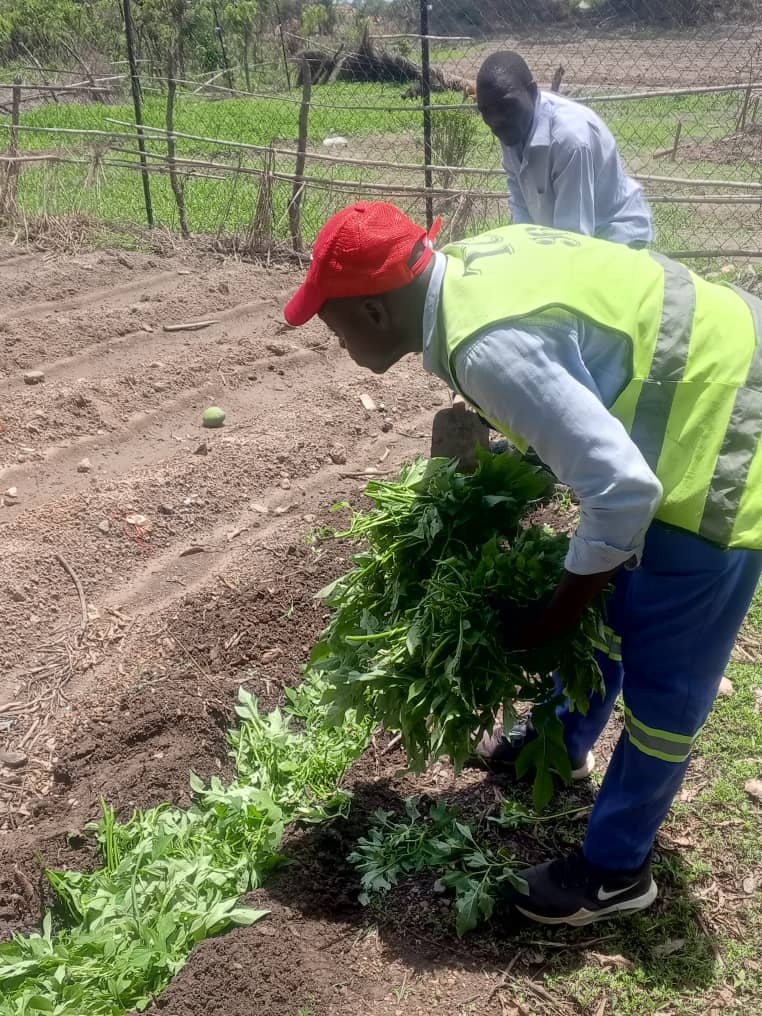
Brian Mbale, a lead farmer for the group, expresses his sincere gratitude to Solidaridad, the Ministry of Agriculture for their technical support to smallholder farmers in Magoye, and the Zukunft säen: Gemüsegärten für Kleinbäuer innen in Sambia (Plant the Future: Vegetable Garden for small-scale farmers in Zambia) funded by the German Postcode Lottery for financing this vegetable production project.
“Traditionally, our only source of income was cotton, which is produced once after the rains. This meant our income was limited and uncertain. Through this vegetable project, we are now able to grow a variety of vegetables that can be produced and marketed throughout the year. As a result, our household income has improved, and we are now able to meet our daily needs. As vegetable farmers, we are very grateful for the manual provided,” says Mbale.
According to Mbale, “the Climate-Smart Horticultural Production Manual for small-scale farmers acts as a silent extension officer for us. Even when government extension officers and project staff are not available, the manual remains a vital source of information and provides step-by-step guidance to improve our farming practices. We truly appreciate this support.”
Working With Nature for Climate Resilience
Rather than relying on inaccessible inputs, the manual promotes farming systems that mimic natural ecosystems: crop diversification, intercropping, companion planting, and enhanced biodiversity to naturally reduce pest pressure and improve productivity.
“Climate-smart horticulture is about restoring balance and building sustainable livelihoods in our farming systems. When farmers diversify crops and recycle nutrients on-farm, they reduce production costs while strengthening resilience to climate change,” says Daniel Kalala, one of the authors of the manual.
This nature-based approach reflects Solidaridad’s commitment to supporting good agricultural practices across value chains and creating long-term sustainability for producers.
Water and Soil: Foundations of Climate-Smart Production
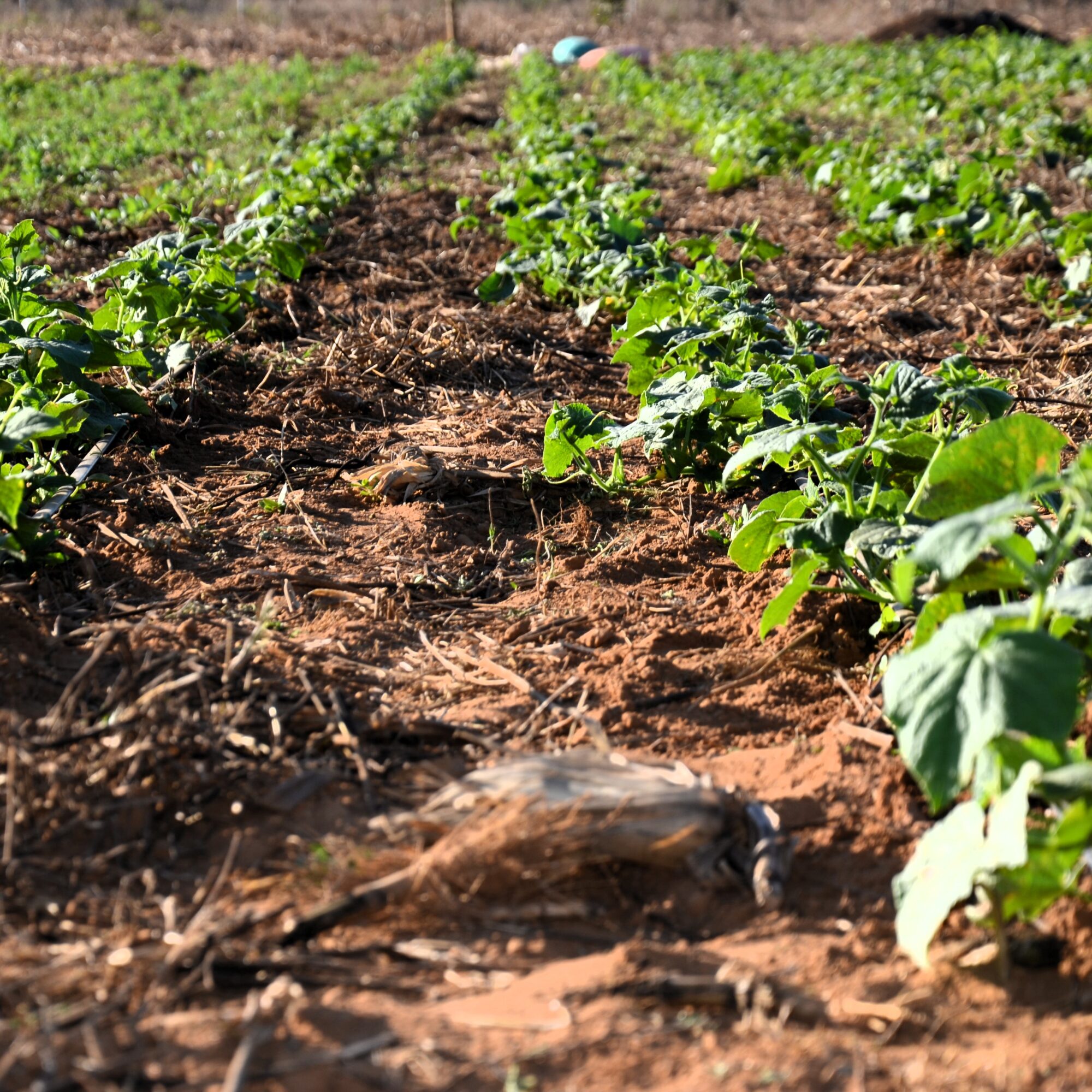
Water scarcity is one of the most pressing limits for many smallholder farmers. The manual highlights accessible water-saving techniques such as mulching, sunken and raised beds, drip systems, and traditional clay pot irrigation.
“These are affordable, farmer-friendly solutions that can be implemented using local resources. The manual focuses on efficiency to make sure every drop of water counts,” explains Vincent Mofya, Senior Project Manager at Solidaridad.
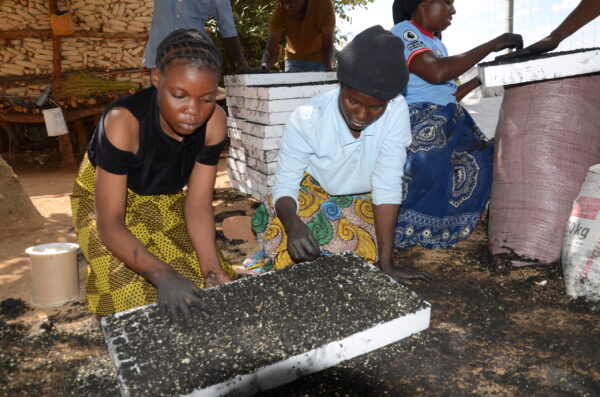
According to Mofya, soil health underpins all productive farming systems. The manual promotes composting, Bokashi, biochar, and liquid organic inputs to improve soil structure, nutrient availability, water retention and a cost effective agricultural practice, supporting Solidaridad’s work in regenerative agriculture and climate adaptation.
“Soil health is the foundation of sustainable agriculture,” says Sheila Garakara, Country Manager (Zambia) for Solidaridad. “When farmers invest in organic matter and soil life, they build resilient systems that protect both livelihoods and the environment.”
Safe Food and Market Opportunities
“The integration of climate-smart agriculture with safe crop production strongly supports the goals of the recently launched LOCAL ZAMGAP, particularly by enhancing its focus on food safety, consumer confidence, and environmentally sound practices,” adds Garakara.
The manual also guides natural pest and disease management practices that reduce dependence on chemical pesticides, contributing to safer food for families and consumers. As demand grows for chemical-free vegetables, farmers applying climate-smart practices are better positioned to tap emerging market opportunities.
“When farmers produce diverse, safe vegetables, they improve household nutrition while accessing better markets. The Climate-Smart Horticulture Production Manual for Small-Scale Farmers supports Solidaridad’s broader mandate to improve agricultural production, scale up sustainable practices and strengthen rural livelihoods across the Southern African region,” concludes Garakara.