

The International Potato Center (CIP) and the National Institute for Agronomic Study and Research (INERA) have joined forces to scale up orange-fleshed sweetpotato (OFSP) cultivation in the Eastern Democratic Republic of Congo (DRC) in a bid to enhance food and nutrition security.
According to a recent CIP report, the Eastern DRC remains one of Africa’s most fragile regions, with recurrent conflict, displacement, disrupted markets and chronic malnutrition undermining household resilience.
Sweetpotato has long been a staple in South and North Kivu provinces, offering both food and income to local communities. However, yields there have often been low, primarily due to variations in farming practices and the uneven quality of planting material.
In recent years, efforts have gained momentum to promote improved varieties, especially OFSP, which combine better yields with superior nutritional value. In the Kivu provinces, farmers traditionally plant vine cuttings at the beginning of the rainy season — a system that remains in use even as improved varieties are introduced.
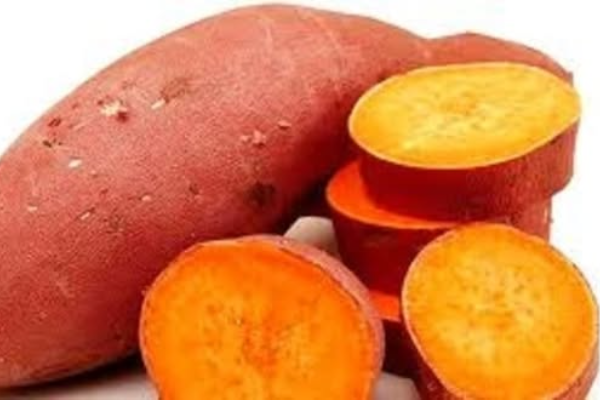
OFSP varieties are relatively recent in the region, but acceptance is growing rapidly because of their nutritional benefits. With support from CIP and INERA, these improved varieties are being disseminated via demonstration plots, training of vine multipliers, farmers and processors.
In a statement quoted in the report, Elois CINYABUGUMA, Director of Research at INERA-Mulungu, said “Sweetpotato remains the main crop for food security in Congolese households. They are used in nutrition to help reduce malnutrition. They have a significant impact on farmers’ incomes because they are grown and harvested throughout the seasons in the Eastern DRC.” He added that the crop’s local name “cilera bana” in the Mashi language means “protector or lullaby of children,” underscoring its vital role in family sustenance.
Nutritionally, OFSP is rich in beta-carotene, making it a potent tool against vitamin A deficiency — a widespread problem in the Eastern DRC. Beyond household consumption, OFSP also offers value-addition opportunities: it can be processed into flour, puree or chips, and incorporated into bread, mandazi, cakes and cookies.
This versatility presents a promising avenue for smallholder farmers and entrepreneurs seeking to tap into urban markets in towns such as Bukavu and Goma, where demand for processed products appears to be growing.
The report emphasizes that OFSP’s early maturity and climate resilience make it particularly well-suited to the region’s variable weather, helping stabilize food production even during periods of stress or poor rainfall.
CIP’s long experience in sweetpotato breeding, seed system development, climate-resilient agronomy and nutrition-sensitive interventions lends weight to this initiative, which seeks not only to improve nutrition and food security but also to strengthen local capacity and foster sustainable pathways for income and resilience.