

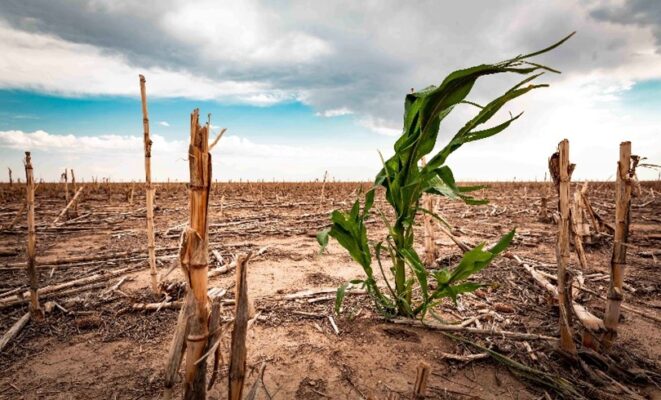
South Africa’s agriculture sector is being warned to prepare for potentially drier and hotter conditions during the 2026/27 summer season as El Niño is expected to persist, raising concerns over crop failures, livestock losses, water shortages and increased pest and disease risks.
The Department of Agriculture, in an El Niño advisory issued on 2 September 2026, said the climate phenomenon is expected to continue through the summer season, with several areas forecast to receive below-normal rainfall.
El Niño is a natural climate pattern that causes shifts in global atmospheric circulation. In South Africa, it is typically associated with lower-than-normal summer rainfall and higher temperatures.
The warning comes after contrasting rainfall conditions across the country. While most summer rainfall areas received above-normal rainfall during the 2025/26 summer season, improving dam levels and soil moisture, winter rainfall areas experienced a shortage of rainfall.
The department said the situation in the winter rainfall areas could become challenging as the country moves into the summer months, requiring a greater focus on risk reduction.
According to the South African Weather Service Seasonal Climate Watch issued on 31 August 2026, El Niño is currently occurring and is expected to continue throughout the 2026/27 summer season. The outlook indicates that many areas could experience below-normal rainfall linked to the El Niño conditions.
For farmers, the combination of reduced rainfall and high temperatures could create significant production challenges.
“In the agricultural sector, El Niño conditions might result in below-normal rainfall and high temperatures that may lead to dry conditions and heat stress,” the department said.
The department warned that such conditions can contribute to crop failure and livestock mortalities, particularly where farmers do not put adequate risk-reduction measures in place.
Low rainfall could also trigger water restrictions, with irrigation farmers likely to be among those affected. At the same time, hot and dry conditions could increase the prevalence of pests and diseases.
The department urged crop farmers to adopt climate-smart agriculture practices aimed at conserving soil moisture and reducing erosion. Farmers have also been advised against unnecessarily expanding the area under production and encouraged to select cultivars capable of withstanding hot and dry conditions.
“Farmers are further advised to prioritise cultivars listed in the National Varietal List in compliance with the Plant Improvement Act, 2018 (Act No. 11 of 2018) and remain within the planting window,” it said.
Water conservation will also be critical during the season. Farmers have been encouraged to use water-harvesting techniques and efficient irrigation systems, including drip irrigation, while irrigating during the morning or evening to reduce water losses.
“They are also urged to comply with water restrictions in their areas,” the department said.
Livestock farmers have been advised to match the number of animals they keep with the carrying capacity of available grazing land. The department warned that overstocking can result in overgrazing, worsening the effects of dry conditions and increasing livestock mortalities.
It recommended measures including rotational grazing, as well as providing additional feed and watering points where necessary.
Farmers have also been urged to remain vigilant for pests and diseases associated with anticipated hot conditions.
“This comprises regular vet visitations including vaccinations,” the department said, while urging farmers to closely monitor weather and climate updates issued by the South African Weather Service.
The government said it would continue monitoring conditions and providing early-warning information through monthly advisories and daily extreme-weather warnings.
“The Department of Agriculture at both provincial and national level will partner with all relevant stakeholders to continue raising awareness in the sector, and capacitating farmers on understanding, interpreting and utilising early warning information for disaster risk mitigation and response,” the department said.
The advisory comes as farmers enter a critical period in which decisions on planting, water use, livestock numbers and crop varieties could determine their ability to withstand the expected El Niño-related conditions.
The department said farmers should implement the strategies contained in its early-warning information to reduce the potential impact of the dry and hot conditions.
For the full advisory, farmers can visit the Department of Agriculture website.