

Uganda has launched new Fisheries and Aquaculture Regulations aimed at rebuilding fish stocks, strengthening enforcement and promoting sustainable harvesting across the country’s water bodies.
The regulations, introduced under the Fisheries and Aquaculture Act, 2023, seek to address illegal fishing and strengthen the management of Uganda’s fisheries and growing aquaculture sector.
Speaking to journalists at the Uganda Media Centre, State Minister for Fisheries Hon. Robert Migadde Ndugwa said the new framework introduces stricter licensing requirements, standardised fishing gear, protected breeding areas and closed fishing seasons.
The reforms also provide for strengthened quality assurance measures, clearer guidelines for aquaculture and an enhanced Monitoring, Control and Surveillance Unit to improve enforcement against illegal fishing activities.
According to information shared by the Ministry of Agriculture, Animal Industry and Fisheries (@Maaifclf), the minister called on fishers, local governments, civil society organisations and private-sector players to support implementation of the new regulations.
“All fishers are reminded to apply for species-specific licenses before 15 September 2026,” Migadde said, warning that enforcement against illegal fishing capacity will begin after the deadline.
The licensing requirement is part of efforts to improve control over fishing activities and ensure that harvesting is carried out within sustainable limits. The introduction of species-specific licensing is also expected to support better management of fish stocks and reduce pressure on vulnerable species.
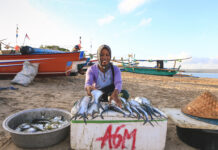
Migadde said Uganda’s fisheries remain an important economic resource, supporting livelihoods while contributing to the country’s export earnings.
“Uganda is blessed with vast freshwater resources that support a rich diversity of fish species and a growing aquaculture sector,” he noted.
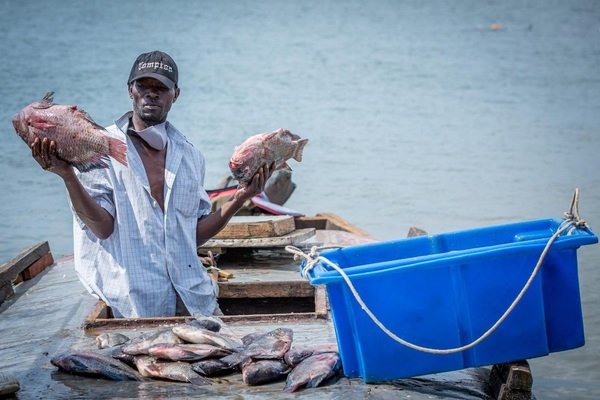
The country’s fisheries are largely centred around major water bodies including Lake Victoria and the River Nile, which support commercial and small-scale fishing as well as recreational activities.
The sector supports more than one million livelihoods, according to the ministry, while fish and fisheries products contribute to export revenue. Uganda also has a growing sport-fishing industry, with the Nile perch among the freshwater species attracting recreational anglers.
The new regulations come as Uganda seeks to balance the economic importance of fisheries with the need to protect aquatic ecosystems and ensure the long-term availability of fish resources.
Measures such as closed seasons and protected breeding areas are intended to give fish populations an opportunity to reproduce and replenish, while standardised fishing gear is expected to reduce the use of destructive or prohibited methods.
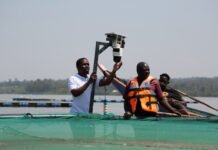
The strengthened Monitoring, Control and Surveillance Unit will play a central role in enforcing the regulations, with implementation expected to involve national and local authorities alongside industry stakeholders.
The government is also seeking greater participation from the private sector and civil society in supporting compliance, awareness and sustainable fisheries management.
Migadde urged stakeholders to work together to ensure the reforms achieve their intended objectives, stressing the importance of protecting Uganda’s fisheries for future generations.
“Together, we can restore Uganda’s fisheries and secure this vital resource for generations to come,” he said.