

By Marcel Franitza, Industry Director of Animal Feed, ANDRITZ Feed & Biofuel
In the livestock chain, feed is everything. It is one of the most significant cost drivers in farming, and one of the most direct levers for quality and sustainability outcomes. Raw materials typically account for around 70% of the total cost of animal feed production, varying by species. This means that before a single machine is switched on, the majority of the budget has already been accounted for. But even as margins tighten, the pressure grows on feed mills to produce more efficiently and sustainably, and the stakes attached to process performance have grown with it.
Yet when production costs are scrutinized, one factor is consistently overlooked: protecting that investment through the process itself. The true cost of a machine is not found in its price tag, but in how much raw material value is enhanced, preserved or lost once the process begins.
The true risk sits downstream of the purchase decision – in the value lost every day through poor pellet quality, inadequate moisture control, and process inefficiency. These losses are avoidable but rarely tracked directly. In an industry already contending with volatile raw material prices, supply chain uncertainty, and tightening margins, that kind of quiet erosion is something no operation can afford to ignore.
Small pellet, big responsibility
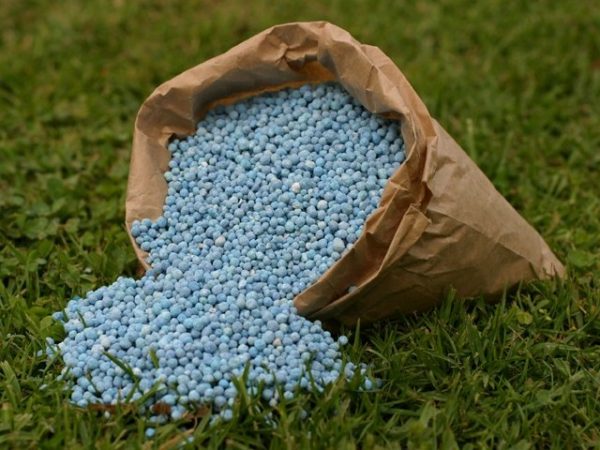
The technical demands placed on a modern feed pellet are considerable. A finished pellet – often just 2 to 3 mm in diameter – must deliver a precise blend of corn, wheat, proteins, minerals, and vitamins in a form that is both nutritionally dense and uniform across an entire batch. Any deviation carries direct consequences: reduced feed conversion ratios and inconsistent animal growth rates mean more feed consumed per unit of output, eroding the margin on every batch.
Moisture imbalances introduce further risk, creating the conditions for spoilage and microbial growth. This includes the persistent threat of Salmonella, a pathogen capable of surviving at elevated temperatures. Treating feed to the correct temperature for the correct duration is a non-negotiable biosecurity standard that cannot be shortcut. Precise, repeatable conditioning parameters are the foundation of both product quality and supply chain biosecurity – equipment that cannot deliver them undermines both.
The reality of raw material supply
Climate-driven volatility is reshaping the quality and availability of key raw material inputs on a seasonal and regional basis. A mill optimised for a previous harvest may find those settings inadequate when the next shipment arrives with different moisture content, density or protein levels. In these situations, the ability to adjust process parameters quickly and confidently as recipes and raw materials change is as strategically important as the equipment specification itself.
This is where the depth of process knowledge behind a plant solution begins to matter as much as the hardware. By combining an understanding of regional conditions, climate variables, target animal species, and accumulated process expertise, ANDRITZ supports feed mill operators in the transition from reactive to proactive and tailor processes to an ever-changing raw material landscape before quality is compromised.
Getting ahead
Intelligent process technology allows operators to act on problems before they escalate. If supply chain disruptions force a change in recipe, automated process control enables process settings to be adjusted and monitored in real time. This provides operational and maintenance insights that support measurable improvements across the mill.
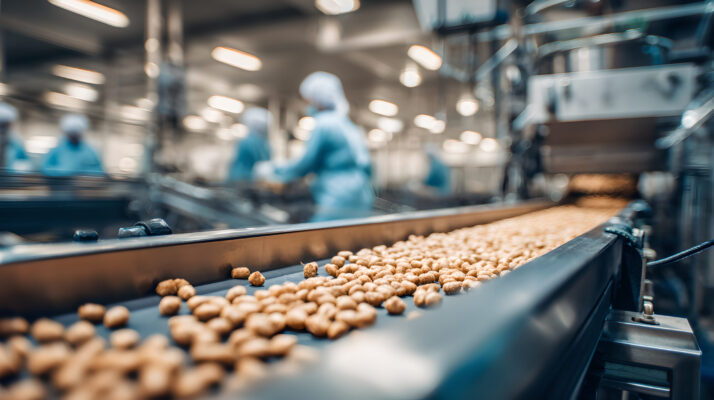
Automated pelleting control technology has advanced significantly, evolving from basic machine monitoring into fully networked platforms capable of delivering throughput increases of 7–16% over a plant’s operational lifetime. These systems offer precise control of conditioning, steam addition, dosing, and pellet press operations across multiple lines simultaneously. Interfaces are designed to minimise operator training requirements and reduce downtime – maintaining pellet quality, whatever the recipe.
The right question to ask
Capital expenditure is the starting point of the cost conversation, not the end of it. The more valuable question for any feed mill operator is how much raw material value might be lost through poor pellet quality, inadequate moisture control, and process inefficiency.
For an industry tasked with feeding a growing global population against a backdrop of climate change and tightening margins, that shift in perspective may prove to be the most valuable upgrade a feed mill can make.