

Tanzania’s dairy industry is set to receive a major boost after Ireland committed €3 million (about US$3.5 million) to support the next phase of a dairy development programme aimed at increasing milk production, improving farmer incomes, and modernising the country’s dairy value chain.
The funding will support the second phase of the Maziwa Faida (Milk Profit) Project, a five-year initiative scheduled to run from 2027 to 2032.
The programme is being financed through the Irish Embassy in Tanzania and implemented in partnership with Ireland’s Agriculture and Food Development Authority, TEAGASC, and the Tanzania Livestock Research Institute (TALIRI).
The project seeks to strengthen Tanzania’s dairy sector through the adoption of modern farming practices, improved forage production, enhanced animal health services, and the use of science-based innovations and digital technologies.
It will also focus on improving milk quality, building the capacity of farmer cooperatives, and equipping dairy farmers with technical skills to increase productivity.
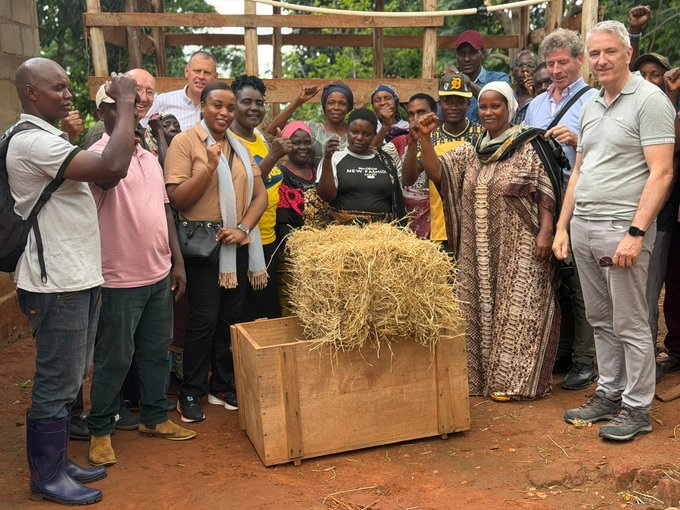
Speaking during the 2026 Dairy Innovation and Technology Exhibition in Tanga Region, Deputy Permanent Secretary in Tanzania’s Ministry of Livestock and Fisheries, Dr Fabian Madele, said the first phase of the programme had already delivered significant gains for dairy farmers.
According to Madele, farmers participating in the project increased milk production from an average of three to five litres per cow per day to about 15 litres per cow daily. He noted that the improvements demonstrate the potential of modern dairy management practices to transform the sector.
Despite having approximately 32 million cattle, including about 1.3 million dairy breeds, Tanzania continues to face a substantial milk supply gap.
The country currently produces around 4.1 billion litres of milk annually against an estimated demand of 13 billion litres, highlighting the need for continued investment in productivity and value chain development.
Irish officials said the new funding reflects Ireland’s long-term commitment to supporting agricultural development and food security in Tanzania. The programme will place particular emphasis on empowering women and youth involved in dairy farming, while strengthening extension services and farmer training.
TALIRI Director General Prof. Erick Komba said the first phase of the project, implemented between 2021 and 2026, established a strong foundation for transforming the dairy industry.
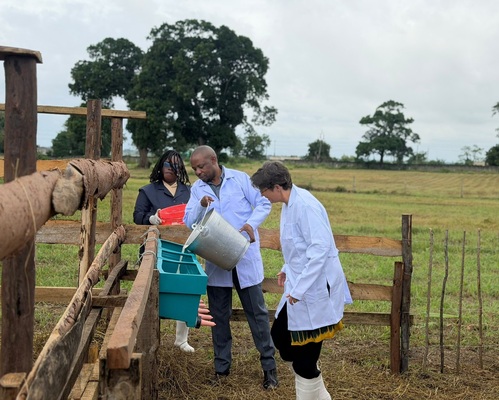
More than 3,000 women and young people in Tanzania’s eastern coastal belt, particularly in Muheza District of Tanga Region, have directly benefited from the initiative.
The investment is expected to help Tanzania unlock the untapped potential of its dairy sector, improve rural livelihoods, enhance nutrition, and strengthen the country’s food security while creating new economic opportunities for smallholder farmers.
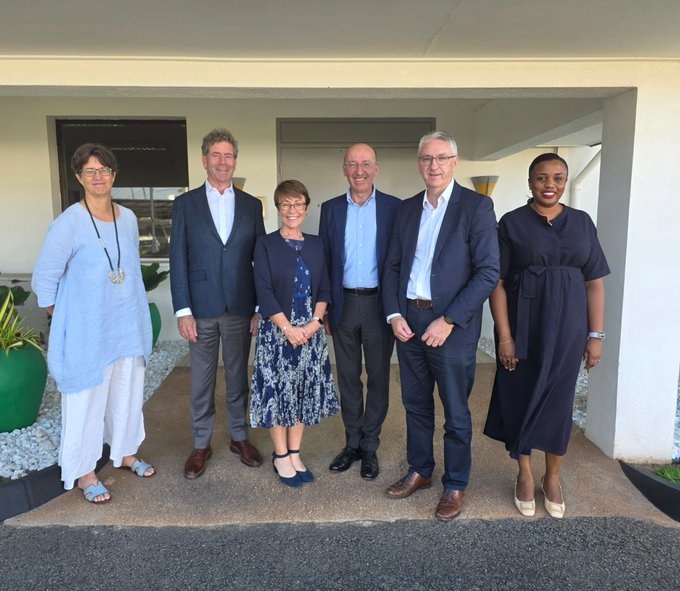
All photos courtesy of @IrlEmbTanzania