

Ethiopia has officially approved and released its first-ever kale varieties, marking a significant milestone for the country’s vegetable sector and opening new opportunities for farmers to access high-yielding, locally adapted seed.
The two kale (Brassica oleracea var. acephala) varieties, known as K14 and K18, were approved during the National Variety Release Committee Annual Meeting held in Addis Ababa on May 11–12, 2026.
The release represents a historic advancement in Ethiopia’s vegetable breeding and seed systems and is expected to contribute to improved nutrition, diversified diets, and stronger livelihoods for farming communities.
The achievement was led by the World Vegetable Center (WorldVeg) in partnership with the Ethiopian Institute of Agricultural Research through its Kulumsa Agricultural Research Center (KARC), alongside regional research institutions including the Tigray Agricultural Research Institute–Mekelle, Amhara Agricultural Research Institute–Woramit, and Debre Birhan Agricultural Research Center.
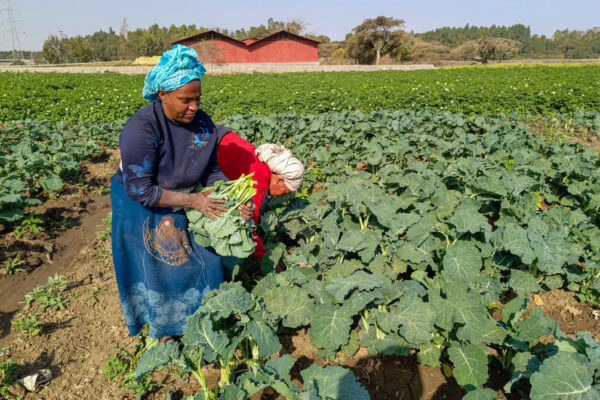
Despite kale being an important leafy vegetable in Ethiopian diets, the country has lacked officially released varieties adapted to local growing conditions. Farmers have traditionally depended on informal seed systems, relying on farmer-saved seed or seed purchased from local retailers.
These seed sources are often mixed with other brassica crops, leading to inconsistent yields, variable quality, and limited access to reliable planting material.
Researchers say the introduction of locally adapted kale varieties comes at a crucial time as Ethiopia seeks to strengthen food and nutrition security while building more resilient agricultural systems.
The newly released varieties can have their leaves harvested up to nine times during a single growing season, offering farmers increased productivity and income-generating opportunities.
The release follows several years of collaborative research and testing. WorldVeg initiated the project by collecting kale germplasm from farmers in the Oromia and Central Ethiopia regions and obtaining additional seed samples from the Ethiopian Biodiversity Institute.
The organization also provided financial and technical support, coordinated multi-location evaluations, and contributed directly to variety selection, testing, and release activities.
The candidate varieties underwent characterization, preliminary screening, and extensive multi-location evaluations before progressing to National Variety Trials.
These trials were conducted over three consecutive growing seasons in Addis Ababa, Kulumsa, Debre Birhan, Mekelle, and Bahir Dar by breeders from participating research institutions.
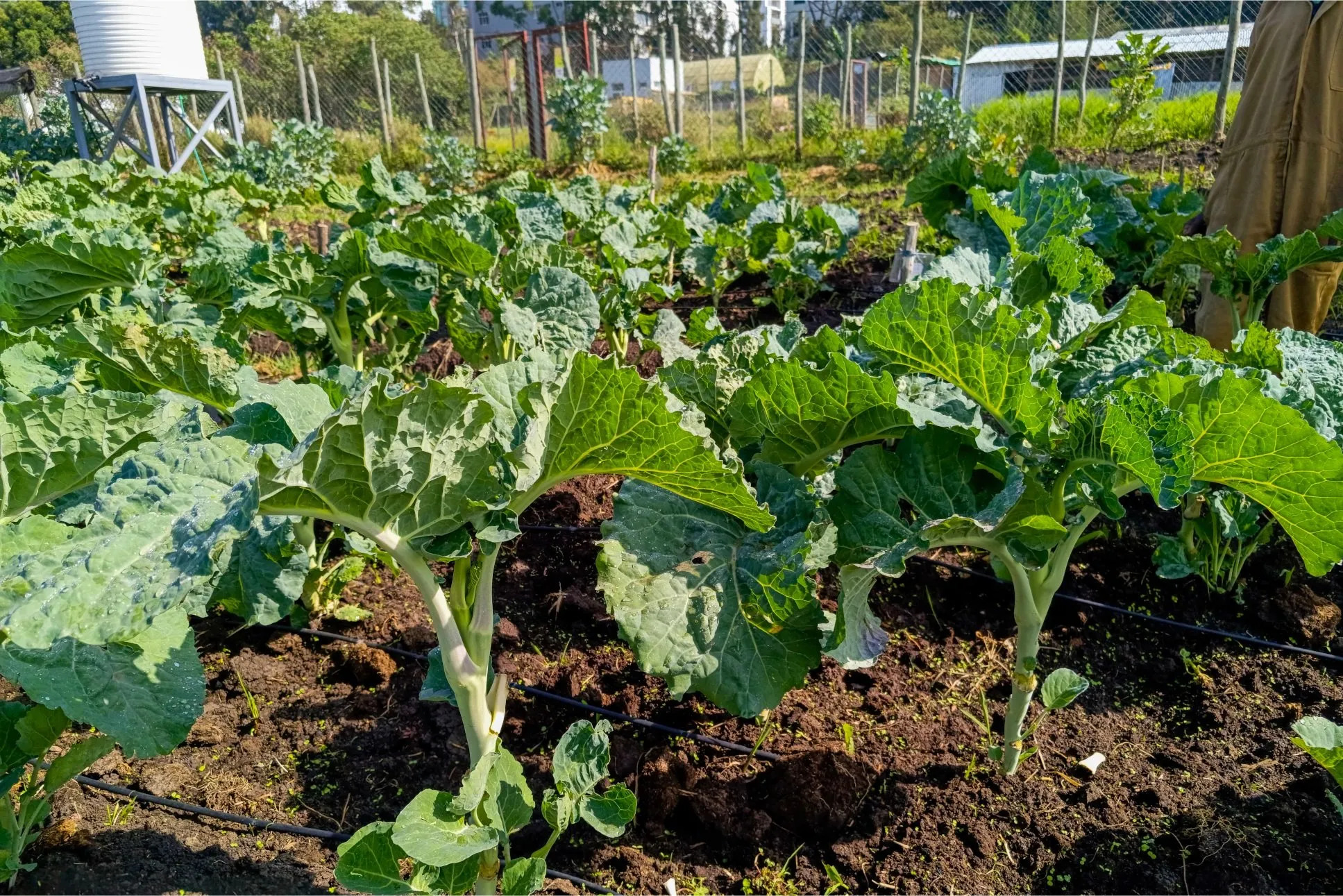
Farmers and consumers were actively involved in the selection process, helping identify preferred varieties based on agronomic performance, quality characteristics, and market appeal.
Data generated from the various trial sites was compiled and analyzed by WorldVeg to support the release process, while EIAR-KARC managed the legal registration and approval procedures.
Following the trials, K14 and K18 emerged as the top-performing candidates and advanced to Variety Verification Trials across eight sites in Kulumsa, Addis Ababa, and Bahir Dar, representing diverse agroecological zones.
The varieties were subsequently evaluated and approved by the National Variety Release Committee under the leadership of the Ethiopian Agricultural Regulatory Authority.
Breeder seed multiplication is already underway at KARC, while detailed descriptions for Ethiopia’s official variety registration catalogue are being finalized. The next phase will focus on scaling seed production and ensuring farmers can access the new varieties.
The initiative was primarily funded through a project supported by the USAID Bureau for Humanitarian Assistance, while final evaluation and verification activities received support from the SNV-Power for Food Partnership project.
The work forms part of the Vegetable Biodiversity Action Area under the WorldVeg Global Strategy 2026–2033, helping bring formal breeding support to a crop that has long been overlooked in Ethiopia.