

Tanzania has reaffirmed its commitment to deepening agricultural cooperation with Canada, in a move aimed at modernising farming practices and boosting productivity across the sector.
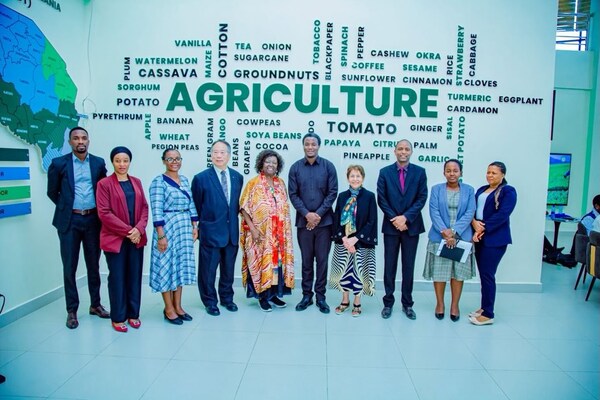
Deputy Minister for Agriculture David Silinde said the government is prioritising strategic partnerships that support the adoption of modern technologies, expansion of irrigation and increased investment in agriculture. He made the remarks during a meeting in Dodoma with a delegation from the Canadian Association of Former Parliamentarians.
Silinde noted that Tanzania is keen to collaborate with Canada in areas such as research, mechanisation, fertiliser production and the development of key crop value chains.
“These efforts will not only increase productivity but also improve the quality and competitiveness of Tanzanian produce in international markets,” he said.
Agriculture remains the backbone of the Tanzanian economy, employing about 65 percent of the population and contributing roughly 27 percent to gross domestic product.
However, the sector continues to face structural challenges, including low levels of technology adoption, limited irrigation infrastructure and the growing impact of climate change.
The Canadian delegation, led by Yasmin Ratansi, expressed readiness to support Tanzania’s agricultural transformation agenda. Ratansi highlighted the importance of strengthening collaboration through institutions such as the International Development Research Centre, which supports research and innovation in developing countries.
She underscored the need for improved farmer data systems to enhance planning and project implementation. Ratansi also called for greater farmer participation, stronger cooperative structures and better utilisation of trade opportunities to raise agricultural output and incomes.
The renewed engagement signals Tanzania’s intent to leverage international partnerships to unlock growth in agriculture, enhance food security and position its produce more competitively in global markets.