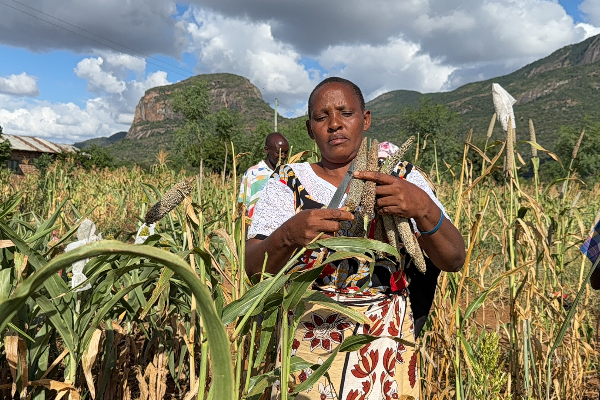
The International Crops Research Institute for the Semi-Arid Tropics (ICRISAT) has released two new pearl millet varieties—Iniadi Composite 1501 and ICMP 177003—the first biofortified millet in Eastern and Southern Africa with naturally high iron and zinc, a milestone expected to significantly transform nutrition and agriculture in Zimbabwe and the wider region.
The release marks a major step forward in addressing malnutrition, strengthening food security, and improving climate resilience for millions of smallholder farmers who depend on millet as a staple crop.
Pearl millet is widely grown in arid and semi-arid areas due to its ability to withstand harsh climatic conditions, making it a critical food source in regions increasingly affected by climate change.
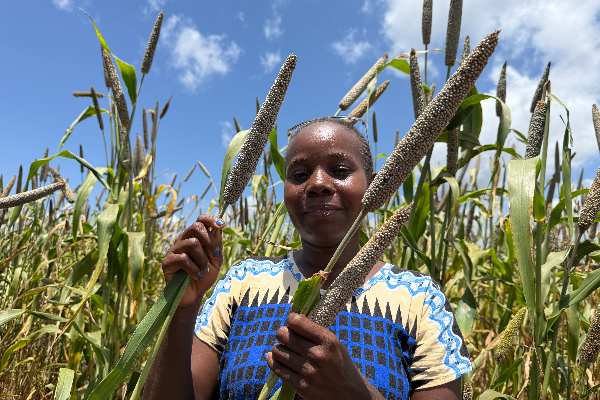
The new varieties are the product of several years of scientific breeding and rigorous evaluation. They combine high micronutrient density with strong grain yields, drought tolerance, and adaptability to semi-arid environments.
This dual advantage of enhanced nutrition and agronomic performance positions the varieties as a practical solution for both health and livelihood challenges facing farming communities.
Their release was supported under the Grow Further–funded initiative titled Improving Food, Nutritional and Income Security of Smallholder Farmers in Zimbabwe’s Arid and Semi-Arid Lands through High-Yielding Iron-Dense Pearl Millet Varieties. The initiative aims to ensure that scientific innovations translate into tangible benefits for farmers and consumers.
ICRISAT Director General Dr Himanshu Pathak described the development as a critical step in tackling widespread micronutrient deficiencies. He noted that biofortification is one of the most effective ways science can improve everyday nutrition.
According to Dr Pathak, the iron- and zinc-rich pearl millet varieties offer a sustainable solution to hidden hunger by helping reduce anaemia, strengthen immunity, and improve the health of women and children. By making nutrient-dense crops accessible to vulnerable communities, the release helps close a major gap in food and nutrition security.
Micronutrient deficiencies remain prevalent in many rural areas, disproportionately affecting children, women, and low-income households. Iron and zinc are essential for cognitive development, immune function, and maternal health.
The new biofortified millet varieties provide a natural and sustainable approach to improving nutrient intake through daily diets, without requiring supplements or changes in eating habits.
Beyond nutrition, the varieties offer important agronomic and environmental benefits. They are derived from the hardy Iniadi genetic background, which is well known for its drought tolerance, high grain quality, and stability under harsh conditions.
This makes them particularly suitable for Zimbabwe’s drylands, where climate change has intensified water stress and reduced agricultural productivity.
ICRISAT Global Research Program Director and Director for Africa, Dr Rebbie Harawa, emphasized the broader regional significance of the release. She said the milestone demonstrates the value of collaborative research that is directly aligned with farmer needs.
According to Dr Harawa, the varieties will help strengthen food systems, improve household incomes, and provide families with healthier food choices, while contributing to climate-resilient agriculture across Africa’s drylands.
As high-yielding crops, Iniadi Composite 1501 and ICMP 177003 also hold strong economic potential. They create opportunities for income generation, particularly for women and youth who play a significant role in millet production and value addition.
To support wide adoption, the Grow Further project is investing in seed system development, farmer training, and market development.
The project focuses on four key areas: strengthening seed systems to ensure reliable access to certified seed across Zimbabwe’s drylands; nutrition education to help households understand and utilize biofortified crops; training in climate-smart agriculture to boost productivity and resilience; and supporting markets for nutrient-dense grains and value-added products.
ICRISAT pearl millet breeder Dr Henry Ojulong described the release as a message of hope for farming communities. He said the varieties represent hope for mothers seeking nutritious food for their children, for farmers facing climate challenges, and for communities striving for better livelihoods.
The release of Iniadi Composite 1501 and ICMP 177003 marks a significant milestone in Zimbabwe’s agricultural transformation agenda.
As the first biofortified pearl millet varieties in Eastern and Southern Africa, they pave the way for wider regional adoption, improved nutrition outcomes, and farming systems strengthened through science and innovation.