

After one of the strongest El Niño seasons on record brought severe drought and widespread crop failure to Mozambique last year, farmers are finding renewed optimism through trials of genetically modified maize designed to tolerate water stress.
In September, producers in Chókwe, Gaza, took part in trials of TELA maize, a genetically engineered variety developed to withstand water stress, resist pest attacks, and deliver several additional advantages.
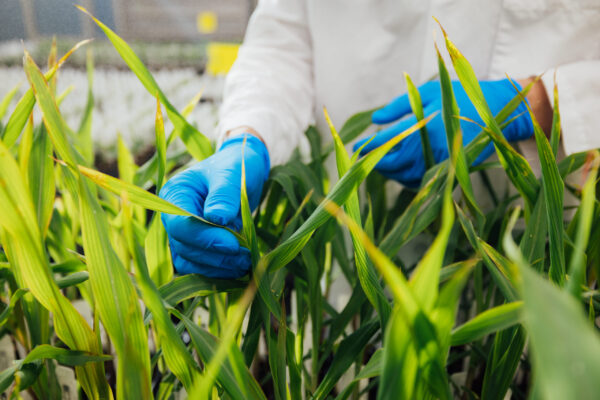
The variety contains a soil bacterium, Bacillus thuringiensis (Bt), which produces a protein that protects maize from destructive pests and enhances its ability to survive moderate drought conditions.
Armando Madeco Bule, a producer with the Josina Machel association, said: “I think that launching that seed, with that variety, can bring us good results, good yields in our fields, and can improve our social life and our families.
“I would like that seed to be launched quickly, because it is sorely needed. The seeds we use here are seeds that bring us nothing in terms of production or yield. I would like to see that seed launched as soon as possible.”
After several years of rigorous data collection and evaluation, Bt maize has met all required biosafety and performance standards and has now received provisional approval.
Irina Jossias Mabote, another farmer from Chókwe, Gaza, expressed similar anticipation: “We ask that this corn arrives this year. If we can, we will buy it because we are happy with what we’ve learned about it.”
Arsénio Francisco Dlamine, director of District Services for Economic Activities in Chókwe, added: “There are many challenges. We have new pests, we have new diseases. We have the scarcity of rainfall that has been occurring in rural areas, and meanwhile, producers are unable to produce as they should.
“With these varieties, perhaps yields can increase even more and we can reduce our dependence on importing our products from other countries.”
The demonstrations follow similar trials held last September in Tete province, one of the regions hit hardest by drought, where farmers lost several hectares of crops.
Dórica Nota, a farmer who has worked in agriculture since 1983 and participated in the trial led by the Agricultural Research Institute of Mozambique (IIAM) with support from the African Agricultural Technology Foundation (AATF), said: “We saw that the variety they were producing there is a good variety for us to implement here in our association as well.”
Felisperta Raposo, also a long-time farmer since 1983, echoed this sentiment: “The old variety tends to be very susceptible to drought and pests. The plant really wasn’t doing well.”
With provisional regulatory approval now secured, Mozambique is preparing for the commercial rollout of Bt maize—potentially as early as next year.