


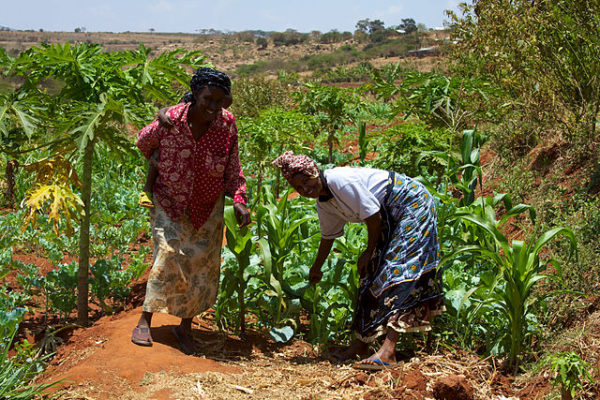
A silent crisis is unfolding in rural Africa, where farm boundary disputes are tearing families apart, claiming lives, and destroying livelihoods. When parents pass away, children are left vulnerable to exploitation, losing their land and heritage. Urban migration further complicates matters, leaving farms open to encroachment and theft.
The consequences are devastating: families are torn apart, communities are fractured, and lives are lost. Traditional leaders, who are meant to be guardians of custom and justice, are sometimes complicit in these disputes, exacerbating tensions and eroding trust.
Some farmers haven’t visited their plots since the land reform allocation program, leading to double allocation and disputes. This has resulted in multiple allocations being made to different people for the same plot, further complicating land ownership and tenure.
To move forward, Zimbabwe must act decisively:
– Adapt the Urban State land Information Management System (USLIMS) for communal areas, ensuring secure land tenure and transparent land administration
– Empower farmers with agricultural consultancy services, reducing disputes and improving land planning
– Strengthen local dispute resolution mechanisms, holding traditional leaders accountable and promoting transparency
– Educate communities on land rights, empowering vulnerable groups to claim their due
– Embrace modern tools like GPS mapping, securing permanent boundary lines
The human toll is staggering. One farmer shared, “Ever since our father passed, communication between family members stopped because of land issues.” Another recalled, “We lost a relative in a boundary fight. These matters need urgent, official attention.”
The lack of reliable national statistics on land-boundary disputes highlights the invisibility of this crisis, making it challenging for policymakers and development partners to design targeted interventions or assess the scale of the problem.
Zimbabwe’s efforts, including adapting USLIMS for communal areas and land reform programs, demonstrate a commitment to addressing these challenges. Collaboration between government institutions, traditional leaders, and farming communities is vital. Traditional leaders must recommit to their role as impartial arbiters, prioritizing community harmony over personal interests. Together, we can break the cycle of violence and build a future where African farmers can thrive, not fight.