

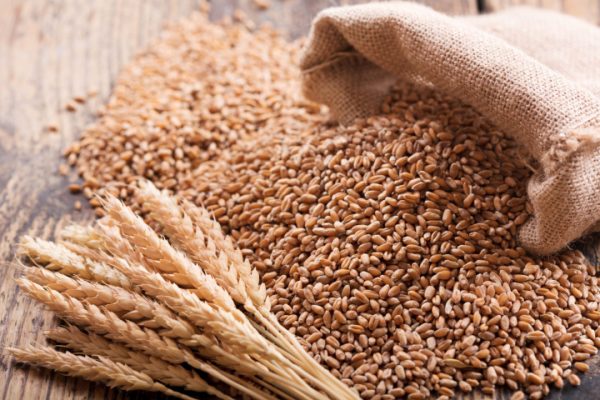
Ten Arab countries are registering major gains in wheat productivity thanks to the widespread adoption of stress-resistant wheat varieties promoted through a regional food security programme.
A latest report by the International Center for Agricultural Research in the Dry Areas (ICARDA) shows that up to 12 improved wheat varieties have delivered yield increases of about 30 per cent across diverse farming systems.
Dubbed Enhancing Food Security in Arab Countries, the study documents how targeted research, regional cooperation and farmer uptake are reshaping wheat production in Algeria, Egypt, Iraq, Jordan, Morocco, Palestine, Sudan, Syria, Tunisia and Yemen.
These countries face persistent wheat deficits driven by arid climates, water scarcity, land degradation and rising production costs, making climate-resilient innovations increasingly critical.
Heat-, drought- and disease-tolerant wheat varieties emerged as a central solution, released through close collaboration between international scientists and national agricultural research institutions.
Farmers adopted the new seeds alongside improved agronomic practices such as better land preparation, optimized irrigation scheduling and enhanced seed management.
As a result, improved technologies expanded rapidly, covering about 38 per cent of wheat-growing areas in selected countries and boosting overall productivity.
Yield gains from the programme are estimated to have generated an additional 652,153 tonnes of wheat annually in just five participating countries.
These production increases significantly reduced pressure on wheat imports while easing demands on scarce foreign exchange reserves.
Rainfed wheat systems recorded productivity gains of around 30 per cent despite increasingly erratic rainfall, while irrigated systems achieved similar improvements through efficient water use.
Water savings reached billions of cubic metres in countries such as Morocco and Egypt, where agriculture accounts for most freshwater consumption.
Conserving water while increasing yields is becoming essential as climate risks intensify across the Arab region.
Beyond productivity, the programme generated strong economic returns, with every dollar invested producing returns ranging from several dollars to as much as 46 dollars in Morocco.
These gains were driven by higher yields, lower production costs and reduced reliance on imported wheat.
Farmer incomes improved directly as productivity rose and crops became more resilient to climate stress.
Capacity building formed a core pillar of the initiative, ensuring that productivity gains could be sustained beyond the project’s lifespan.
More than 128,000 farmers, extension officers and technicians were trained in improved wheat production technologies, with women accounting for a significant share of beneficiaries.
Improved farmer knowledge accelerated technology uptake and strengthened long-term adoption at the field level.
The findings also highlight the importance of supportive policies in scaling wheat innovations nationally and regionally.
Evidence generated by the programme provides a strong foundation for shaping food security and climate adaptation strategies.
Long-term investment in agricultural research and development is identified as a key factor behind the project’s success.
Stress-resistant wheat varieties are becoming increasingly vital as climate change intensifies heat and drought stress across the region.
Without continued innovation, wheat production in many Arab countries is likely to remain highly vulnerable to climatic shocks.
Expanding functional seed systems is therefore critical to reaching more farmers with improved varieties.
Regional cooperation further strengthened impact by enabling shared learning and access to diverse germplasm.
Such collaboration accelerates solutions to common food security challenges across borders.
Scaling climate-smart wheat technologies could play a decisive role in stabilizing food supplies and narrowing the region’s wheat production gap.
Overall, the report positions climate-smart wheat as a cornerstone of resilient, inclusive and sustainable food systems in the Arab world.