And other smart ways to put your water pump to work
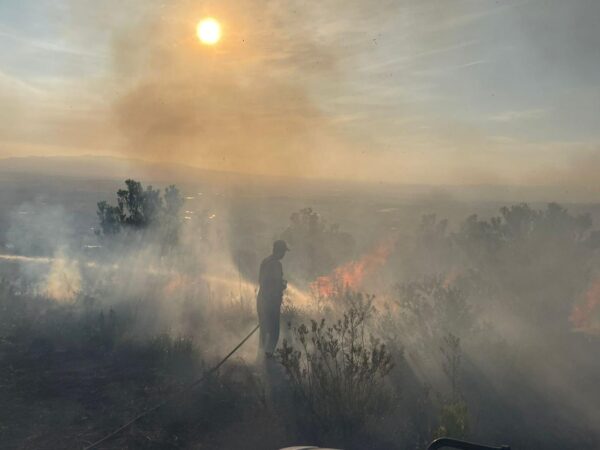
The International Association of Wildland Fire has reported that unwanted wildfires in Southern Africa have increased significantly in both number and intensity in recent years, with many being major or catastrophic. Climate change, fuel loads, and unseasonal fires are driving this surge, destroying tens of thousands of acres and affecting multiple ecosystems and communities
According to Brad Barthorpe, Husqvarna Africa Distribution Sales Manager, while winter remains the highest‑risk period due to parched vegetation, low humidity, and strong winds, changing weather patterns mean communities can no longer rely on traditional seasonal boundaries. “Whether sparked by nature or human carelessness, wildfires don’t ask permission; they consume everything in their path. That’s why communities in wildfire‑prone regions need to remain prepared throughout the year.”
For rural farmers, where wildfires are most likely and firefighting support is more limited, a practical first line of defence is to have ready access to water and a portable pump. “While a water pump won’t stop a large wildfire, it can help slow the spread of fire around buildings by allowing you to create a wet buffer zone before any flames reach your property,” explains Barthorpe. “This will reduce the chances of embers igniting dry vegetation or combustible materials, which can make a meaningful difference.”
He offers some tips on using a water pump to help protect your home if a wildfire threatens:
- Identify a reliable water source
Establish where you’ll draw water from: whether it’s a dam, river, borehole or storage tank, and ensure it is accessible during an emergency.
- Position the pump correctly
Place the pump close to the water source. Keep the intake hose submerged but off the bottom to avoid drawing in mud or debris, and use a strainer where possible.
- Connect the discharge hose
Position the hose so that you can easily reach the areas most vulnerable to fire.
- Prepare the pump for operation
Keep the pump fuelled and maintained and test it regularly so it’s always ready for use. If there is a wildfire potentially threatening your property, immediately start the pump and check that water is flowing properly before directing it where it’s needed.
- Create a protective wet buffer
Saturate the ground around your home, sheds and other vulnerable structures, paying particular attention to:
- dry grass
- timber fences
- wooden decks
- roof edges and eaves
These are common ignition points where embers can quickly spark a fire, so ensuring they’re wet can make a critical difference.
- Soak nearby vegetation
If it’s safe to do so, thoroughly wet the vegetation surrounding your property that could carry fire towards buildings. Don’t attempt to clear it; focus instead on reducing its flammability.
- Keep the area saturated
Continue wetting vulnerable areas as conditions change. If more than one person is available, one can manage the hose while another monitors the pump and refuels it if necessary.
While wildfire preparedness may be one of the most important reasons to own a portable water pump, its usefulness extends beyond firefighting.
Barthorpe shares a few other practical applications:
- Draining floodwater
Heavy rainfall and flash flooding can leave farmland, buildings and access roads underwater. A water pump helps remove standing water more quickly, reducing erosion, structural damage and prolonged waterlogging.
- Irrigating during dry spells
Access to reliable water becomes even more important during prolonged dry periods. A portable pump can draw water from dams, rivers, boreholes or storage tanks to irrigate crops and supply livestock when needed.
- Securing water during power outages
Whereas electric pumps stop working during power interruptions, a fuel‑powered pump ensures water keeps flowing, safeguarding vital farm operations and household needs.
“A reliable fuel-powered water pump has become an essential piece of equipment for many farmers and landowners,” concludes Barthorpe. “Whether it’s helping protect property from a wildfire, irrigating crops during dry conditions or moving water after heavy rain, it ensures you are ready to respond wherever and whenever the need arises.”
To learn more about Husqvarna’s range of fuel-powered water pumps, visit https://www.husqvarna.com/.