


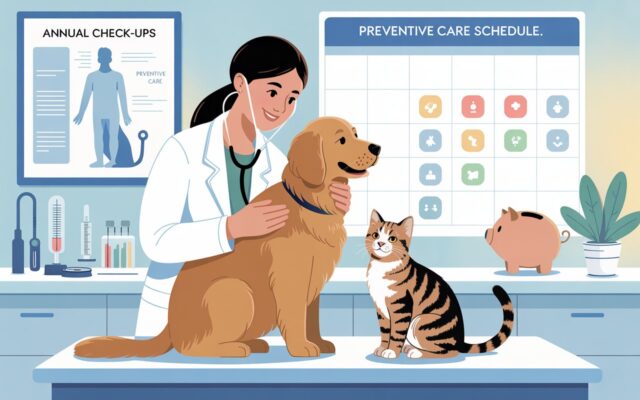
Every pet parent wants their furry companion to live a long and healthy life. One of the best ways to make that happen is through preventive veterinary care. Many people only visit the vet when their pet is sick or injured, but regular care helps prevent serious health problems before they begin.
When small health issues go unnoticed, they can turn into costly medical problems. Early detection through routine veterinary checkups can prevent expensive treatments, emergency visits, and long recovery periods. Preventive care not only keeps pets healthier but also helps pet owners avoid unexpected veterinary bills.
Understanding the importance of preventive veterinary care can help pet parents make smarter decisions for their pets and their wallets. Let’s explore how preventive care works and why it is one of the best investments you can make in your pet’s health.
What Is Preventive Veterinary Care?
Preventive veterinary care focuses on maintaining a pet’s health through routine monitoring, vaccinations, nutrition guidance, and early disease detection. Instead of waiting for problems to appear, vets aim to stop illnesses before they start.
Most veterinary preventive care services include wellness exams, vaccinations, parasite prevention, dental care, and health screenings. These services help identify health concerns early, when treatment is easier and more affordable.
For example, detecting a dental infection during a regular exam can prevent serious complications like organ damage. Without preventive care, small issues can quickly grow into expensive medical emergencies.
The Real Cost of Skipping Preventive Vet Care
Some pet owners avoid vet visits to save money. Ironically, skipping preventive care often leads to higher costs in the long run.
Consider these common situations:
- Untreated dental disease can require costly surgeries.
- Missed vaccinations may lead to serious infections.
- Parasite infestations can result in extensive treatment plans.
- Chronic conditions like diabetes may go unnoticed until severe.
A simple wellness visit costs far less than emergency treatment or surgery. Routine care helps vets detect problems early, when treatment is simpler and more affordable.
Routine Veterinary Checkups Catch Problems Early
One of the biggest benefits of preventive pet care is early detection. During routine veterinary checkups, vets evaluate a pet’s overall health and look for early signs of disease.
A typical wellness exam may include:
- Physical examination
- Weight and body condition evaluation
- Dental health check
- Skin and coat inspection
- Heart and lung assessment
- Vaccination updates
- Lab testing if needed
These checkups allow vets to monitor health changes over time. Early diagnosis often means simpler treatment and lower medical costs.
Vaccinations Prevent Expensive Diseases
Vaccinations are one of the most important parts of pet preventive care. They protect pets from serious diseases that can be expensive and sometimes impossible to treat.
Common vaccines for dogs include protection against:
- Distemper
- Parvovirus
- Rabies
- Leptospirosis
Cats are commonly vaccinated against:
- Feline leukemia
- Calicivirus
- Panleukopenia
Preventing these diseases is far less expensive than treating them. Vaccines also help protect other pets in the community.
Parasite Prevention Saves Money and Stress
Parasites like fleas, ticks, and worms are not just annoying—they can cause serious health problems. Preventive treatments help protect pets from these threats.
Without prevention, parasites may cause:
- Skin infections
- Blood loss and anemia
- Heartworm disease
- Digestive issues
Treating advanced parasite infections can be expensive and stressful for pets. Preventive medications are a simple and affordable solution.
Pet owners often purchase recommended veterinary supplies such as flea prevention, tick protection, and deworming treatments to keep their pets safe year-round.
Dental Care Prevents Costly Procedures
Dental disease is one of the most common health problems in pets. Many pets develop gum disease by the age of three.
Signs of dental problems include:
- Bad breath
- Difficulty eating
- Swollen gums
- Loose teeth
Routine dental exams and cleanings help prevent these issues. If dental disease is ignored, pets may require tooth extractions or surgery, which can be costly.
Preventive dental care helps avoid these major procedures while improving a pet’s quality of life.
Preventive Care Helps Manage Weight and Nutrition
Pet obesity is a growing concern worldwide. Extra weight can lead to several health issues, including:
- Diabetes
- Joint problems
- Heart disease
- Reduced lifespan
During routine visits, vets assess a pet’s weight and recommend diet adjustments or exercise routines. Small changes in nutrition can prevent expensive treatments later.
Healthy pets are less likely to develop chronic illnesses that require ongoing medical care.
Regular Screening Detects Hidden Health Conditions
Some health conditions develop slowly and show no early symptoms. Blood tests and screening exams can detect these issues before they become serious.
Examples include:
- Kidney disease
- Liver problems
- Thyroid disorders
- Diabetes
Detecting these conditions early allows vets to start treatment sooner. Early management often costs far less than treating advanced disease.
Many clinics use specialized veterinary products designed for diagnostic testing and preventive monitoring to help detect these conditions accurately.
Preventive Care Extends Your Pet’s Lifespan
Pets receiving consistent preventive veterinary care often live longer and healthier lives. Regular vet visits help ensure that pets receive proper vaccinations, parasite protection, and early treatment for health issues.
Healthy pets also experience fewer emergency medical situations. This improves their overall quality of life while reducing stress for pet owners.
Preventive care builds a long-term partnership between pet owners and veterinarians. Together, they can create a personalized wellness plan for each pet.
Tips for Pet Owners to Maintain Preventive Care
Pet parents can take simple steps at home to support their pet’s health.
Schedule Annual Vet Visits
Even healthy pets should visit the vet at least once a year.
Maintain Vaccination Records
Keep track of vaccination schedules to ensure your pet stays protected.
Use Parasite Prevention
Monthly flea, tick, and heartworm prevention helps avoid serious health issues.
Monitor Weight and Diet
Follow your vet’s feeding recommendations and avoid overfeeding.
Watch for Early Signs of Illness
Changes in appetite, behavior, or energy may indicate health problems.
By staying proactive, pet owners can reduce the risk of costly medical problems.
The Long-Term Financial Benefits of Preventive Vet Care
When pet owners invest in preventive care, they often save money over time. Preventing illness is always more affordable than treating it.
Benefits include:
- Fewer emergency vet visits
- Reduced treatment costs
- Early disease management
- Lower long-term medical expenses
In addition, healthy pets bring more joy and companionship to their families. Preventive care helps ensure pets remain active and happy for many years.
Conclusion
Preventive care is one of the smartest investments pet owners can make. Through preventive veterinary care, pets receive regular monitoring, vaccinations, parasite protection, and early treatment for health issues.
Routine checkups, dental care, and screenings help prevent serious illnesses that can become costly if left untreated. The importance of preventive veterinary care goes beyond saving money—it protects the well-being of pets and gives them the best chance at a long, healthy life.
By staying proactive and scheduling regular vet visits, pet parents can avoid many common health problems. In the end, preventive care not only saves thousands in medical expenses but also helps pets live happier and healthier lives.
FAQs
1. How often should pets receive preventive veterinary care?
Most pets should visit the vet at least once a year for wellness exams