

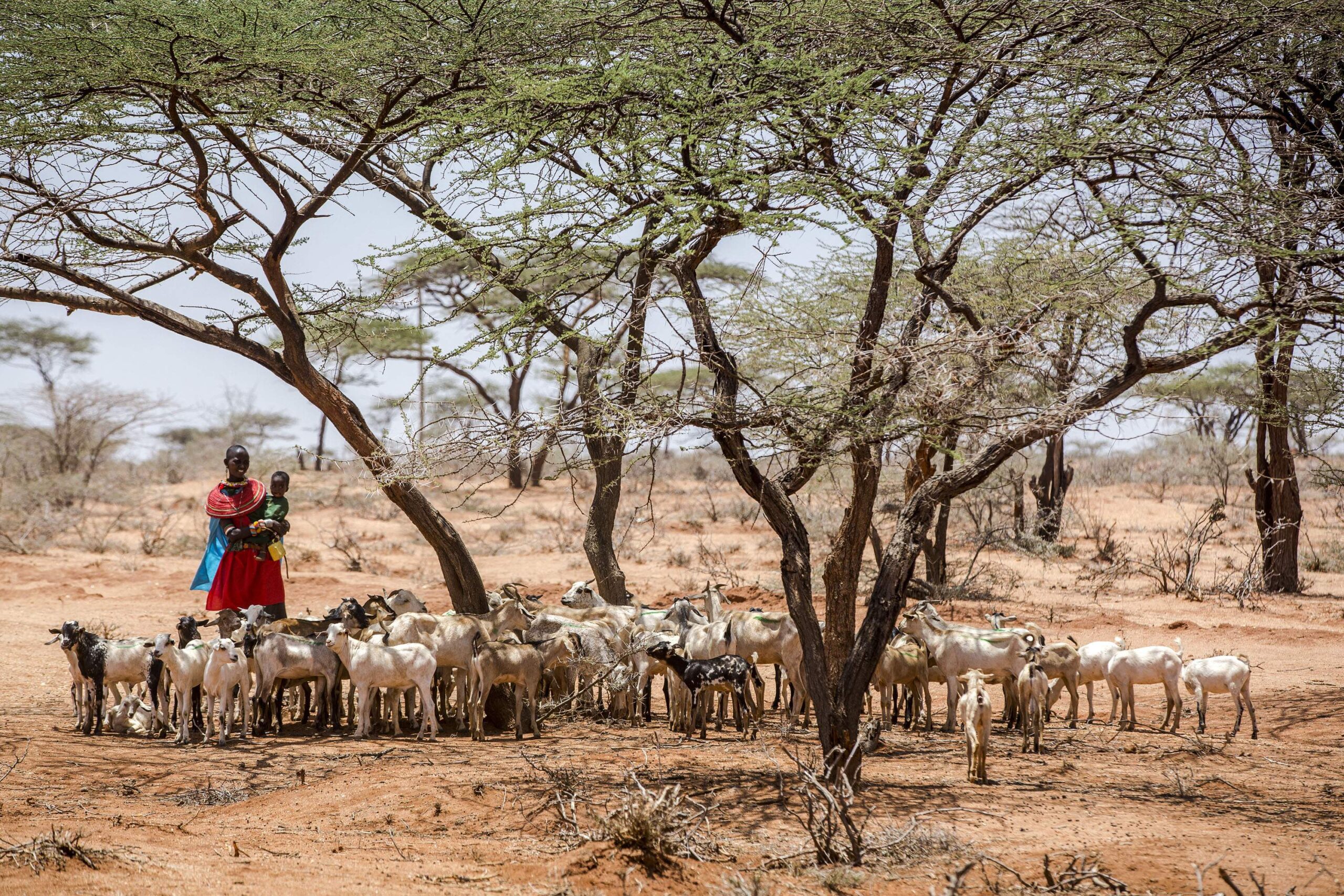
The escalation of conflict in the Middle East and Gulf region is contributing to volatility in global food, energy and fertilizer markets, with implications for smallholder farmers and rural communities worldwide. Given the region’s role in energy supply, fertilizer production and key trade routes, disruptions are driving up input costs and increasing uncertainty at a critical point in the agricultural calendar, particularly in low-income and food-importing economies. Rural communities, with high reliance on agriculture, are especially exposed to these shocks.
The International Fund for Agricultural Development (IFAD) is closely monitoring the evolving situation and assessing impacts across its portfolio. IFAD’s financial model and focus on long-term development combines predictability of financing with agility in crisis. Country teams are activating a range of operational tools that help countries adapt quickly, particularly for projects in Africa, the Near East, South Asia and Asia‑Pacific. This capacity to respond in crisis was significantly strengthened through the Crisis Response Initiative, launched in response to the global impacts of the war in Ukraine.
IFAD stands ready to protect rural livelihoods, stabilize food production and support recovery—ensuring that rural, smallholder farmers are not left to bear the brunt of global shocks.
Media contact: Alison Harding, Senior Communications Specialist (External Engagement) | al.harding@ifad.org