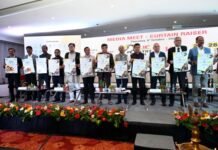


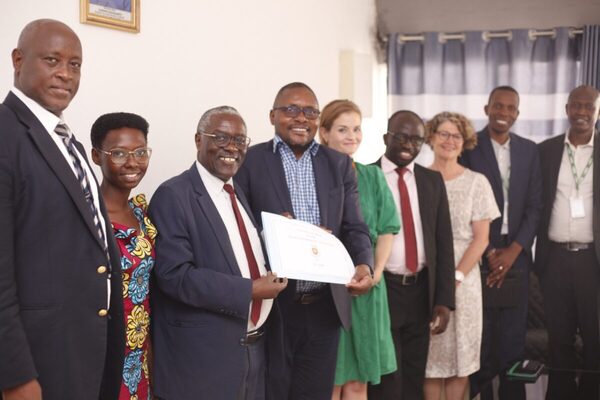
The Centre for Agriculture and Bioscience International (CABI) has signed a Host Country Agreement with the Government of Burundi, formalizing its long-term commitment to advancing agricultural development, research, innovation and food security in the country.
The agreement, signed during a ceremony at Burundi’s Ministry of Foreign Affairs, establishes a stronger legal and institutional framework for CABI’s operations in the country.
It is expected to facilitate closer collaboration with national institutions and support the expansion of programmes aimed at improving plant health systems, strengthening agricultural resilience and enhancing farmer livelihoods.
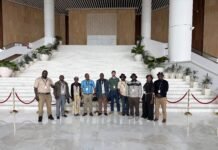
The signing ceremony was presided over by Ambassador Nahayo Adolphe, Director General in charge of International Organizations at the Ministry of Foreign Affairs. Also present were Mr Mahoro Anicet, Director of International Organizations; Ms Kaneza Elada, the Ministry’s focal point for CABI; and Mme Ida Rademaker, representing the Embassy of the Kingdom of the Netherlands in Burundi, which supports the PlantwisePlus project in the country.
Representatives from CABI included Dr Morris Akiri, Executive Director for Africa; Dr Janny Vos, Director of Partnerships; Dr Willis Ochilo, PlantwisePlus Burundi Project Manager; and Dr Célestin Niyongere, CABI Country Coordinator. Dr Samson Musonerimana, Director General of the Institut des Sciences Agronomiques du Burundi (ISABU), a key partner institution, also attended the event.
Speaking during the ceremony, Dr Akiri described the agreement as a significant milestone in the partnership between CABI and the Government of Burundi.
“This agreement is an important milestone for CABI’s work in Burundi,” he said. “It strengthens our ability to work closely with national institutions and partners to support farmers, improve plant health systems and contribute to food security and agricultural resilience across the country.”
Ambassador Adolphe commended CABI’s contributions to rural communities, educational initiatives and national institutions. He encouraged the organization to continue aligning its activities with the government’s priorities for the agriculture and environment sectors.
The ambassador also acknowledged the role played by CABI experts from different centres in supporting the implementation of the PlantwisePlus programme in Burundi.
The signing coincided with a series of high-level engagements involving national and international development partners. CABI held discussions with ISABU, ENABEL, the International Fund for Agricultural Development (IFAD), the Food and Agriculture Organization (FAO), the World Bank, and teams from the PACEJ and BRIDEP projects, as well as representatives from the Embassy of the Kingdom of the Netherlands and the European Union Delegation.
PlantwisePlus programme
According to CABI, the meetings focused on strengthening collaboration around agricultural development initiatives, particularly through the PlantwisePlus programme. Key areas of discussion included improving Burundi’s national plant health system, supporting sustainable crop production and enhancing farmer incomes and resilience.
During the visit, CABI also met with Gwaga, its communications partner for the national Mass Extension Campaign implemented under the Umwimbu ku Bwacu identity, which translates loosely as “By adopting responsible actions, we maximise harvests in both quality and quantity.”
The campaign, conducted between November and December 2025, focused on raising awareness about key crop pests, including mango mealybug, papaya mealybug and tomato leafminer.
The pesticide risk awareness initiative reached millions of farmers through multiple communication channels, increasing knowledge of safe pesticide use, encouraging greater adoption of personal protective equipment (PPE) and promoting early reporting of crop diseases.
Despite challenges such as connectivity limitations and supply constraints, the campaign demonstrated the value of targeted messaging and strong stakeholder engagement in promoting sustainable pest management practices.
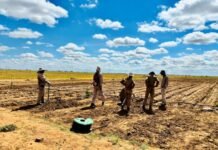
Field visits also showcased the impact of CABI’s interventions at the community level. A visit to a cooperative implementing the Community Conversation gender intervention revealed how structured dialogue is helping communities address inequalities in household and farming decision-making while encouraging greater participation by both men and women.
Additional visits to plant clinics highlighted the role of the PlantwisePlus programme in providing farmers with timely and reliable advice on managing pests and diseases.
CABI representatives also visited the Institut Technique Agricole du Burundi (ITABS), where investments in agricultural education are helping equip young people with the knowledge needed to sustain future farmer support services.
Dr Willis Ochilo, Senior Project Manager at CABI, emphasized the importance of collaboration in achieving long-term agricultural development goals.
“Meeting with partners gave us the opportunity to share what we are doing on the ground and identify where our efforts can be better aligned,” he said. “Seeing the Community Conversation approach in action, and the work happening through our plant clinics and with ITABS, reminds us why these partnerships matter.”
PlantwisePlus Burundi is a multi-year programme designed to strengthen the country’s plant health system while supporting sustainable crop production, improved livelihoods and greater agricultural resilience.