


Pastoral and livestock-keeping communities across Eastern Africa are strengthening their resilience to climate change through community-based breeding programmes aimed at improving locally adapted sheep and goats.
The initiatives are being implemented under the EUR 47 million European Union-funded Pastoralism and Livestock Adaptation to Climate Change in Eastern Africa (PLACE) programme, which operates across seven countries and four cross-border clusters in the region.
Implemented by the Food and Agriculture Organization of the United Nations (FAO) in partnership with the Intergovernmental Authority on Development (IGAD) and national partners, the programme is expected to benefit thousands of households.
In 2025–26, PLACE partners established community-based breeding programmes in Ethiopia, Kenya and Uganda, while preparing to introduce similar initiatives in the United Republic of Tanzania.
The programmes involve livestock keepers forming breeder groups, identifying preferred animal characteristics and introducing systems to track livestock performance.
Communities lead breeding decisions
Under the initiative, livestock keepers determine their breeding objectives and agree on how selected rams and bucks will be managed, shared and used for breeding.
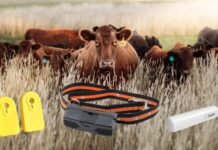
Animals are identified and monitored through records covering parentage, growth, reproduction, health and disposal, allowing communities to compare performance under similar pastoral conditions.
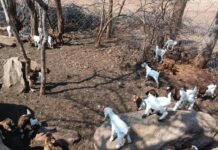
In Ethiopia, 189 pastoral households established three breeder cooperatives. By August 2026, more than 1,700 goats had been identified and tagged, while communities had agreed on breeding objectives and received 134 breeding bucks.
Cooperative members also began recording mating, kidding, litter size, growth, health and animal disposal data. Training was provided to cooperative members, researchers, technical experts and development agents to support implementation.
In Kenya, breeding activities advanced in Kajiado and Narok counties and the Kenyan section of the Karamoja cluster.
Assessments documented livestock production systems, existing breeding practices and farmers’ priorities, leading to the establishment of sheep and goat breeder groups involving 149 households.
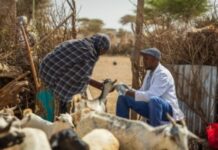
Farmers, community resource persons and technical staff received training in breeding management, feeding, animal health and record-keeping. Selected breeding animals were registered, tagged and entered into digital recording systems.
In Uganda’s Karamoja region, 201 households joined three breeder groups following benchmarking exercises and training.
Communities agreed on programme rules and breeding priorities, including mothering ability and drought tolerance. By August 2026, partners had tagged 1,852 goats across 10 villages, with paper and digital tools being used to record pedigree, production and animal health information.
More than 500 community members participated in awareness activities, while 227 pastoralists received training in breeding and record-keeping.
In Tanzania, preparations focused on identifying four villages keeping Red Maasai sheep and planning baseline assessments, animal characterization and community awareness activities.
Overcoming implementation challenges
Maintaining accurate livestock records in pastoral areas remains challenging due to mobility, long distances and limited access to transport.
Drought and livestock movements affect Turkana, while theft, disease and difficult road access complicate activities in Karamoja. In Ethiopia, mobility, flooding and fuel shortages also hinder field visits.
Community enumerators, resource persons and development agents are helping maintain animal identification and records between technical visits.
Experience from previous programmes in Ethiopia offers encouraging prospects. A ten-year study of Bonga, Horro and Menz sheep reported annual genetic gains in six-month body weight, increased household income from sheep and higher meat consumption.
However, PLACE’s genetic and livelihood benefits remain to be assessed as records accumulate and successive generations are selected.
The next phase will focus on strengthening record-keeping, selecting animals using performance data and improving the management and replacement of breeding males.
Partners will also distinguish purchased foundation breeding animals from later generations selected through the programmes, helping establish the long-term impact of the initiative on livestock productivity and pastoral livelihoods.