


By Dawie Maree, Head of Information and Marketing
Winter grain and livestock farmers in the Southern Cape are navigating a world where disruption has become the norm rather than the exception. As geopolitical conflict, volatile commodity and input prices, supply chain uncertainty and an increasingly erratic climate converge, the question facing farmers, and especially wheat, barley, canola and sheep producers, is no longer whether they will face disruption, but how well prepared they are to withstand it.
The pressures facing farmers are both global and local. Conflict in the Middle East pushed fuel prices higher just as producers were putting this season’s crop in the ground, and while there is hope of some relief by harvest time in late spring, farmers cannot bank on it. Closer to home, the ongoing debate around the wheat import tariff continues to dominate farming conversations in the region. South Africa imports roughly half of its wheat demand, so the tariff question is understandably top of mind – but it should never form the foundation of a farming business. Tariffs, like exchange rates, can change overnight with the slightest shift in trade policy. A farming operation has to remain financially viable in a zero-tariff environment; anything less is not sound business.
Layered on top of this is the challenging climate outlook. The latest forecasts point to a strong El Niño developing over the coming season, and the Southern Cape is naturally prone to drier conditions. Importantly, El Niño is not automatically a death sentence for farming operations. Decent crops have been produced in previous El Niño years, because the timing of rainfall often matters more than the total amount received. What the forecast does demand, however, is careful, informed planting decisions and the disciplined use of appropriate inputs.
This is where sustainable farming practices prove their worth. Precision agriculture, like variable-rate fertiliser application and seeding, ensures every rand spent on inputs works as hard as possible. Conservation agriculture conserves soil moisture and nutrients, which becomes a decisive advantage in a season where every millimetre of rain counts. Farmers who have invested in these practices are, in effect, self-insuring at a time when conventional insurance is becoming increasingly expensive and, in some segments, hard to obtain at all.
Diversification remains one of the most powerful resilience tools available to today’s farmer. In the Southern Cape, a crop-only operation without a livestock component is significantly exposed to risk. A well-balanced sheep enterprise, spanning both wool and meat, along with a sensible mix of wheat, canola and barley spreads that risk across markets and seasons. Canola in particular has been a success story for farmers who embraced it, while wheat has endured a decade of thin margins and barley remains constrained by limited off-takers. Some producers are going further, expanding into longer-term crops or finding income beyond the farm gate altogether, such as agri-tourism.
Biosecurity deserves particular emphasis. Foot-and-mouth disease has been declared a national disaster, with outbreaks in most provinces and projected costs running into billions of rand. The Southern Cape’s isolated cases were contained quickly, but for a region where sheep are central to profitability, that is no reason for complacency because small stock can carry and spread the virus without obvious symptoms. Strict protocols, controlled animal movement and vigilance at auctions are no longer negotiable. Protecting the herd is, quite literally, protecting the balance sheet.
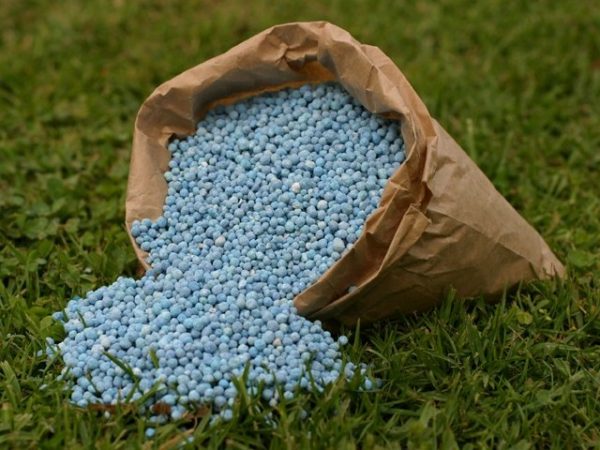
And it is the balance sheet, ultimately, where resilience is proven. With interest rates likely to remain elevated well into next year, farmers need to prioritise productive, income-generating assets over lifestyle purchases, maintain adequate liquidity and ensure debt levels remain comfortably serviceable. Planning input purchases ahead of price cycles – like those who secured fertiliser early this season did – can make a material difference to margins.
Financial partners have a critical role to play in all of this. Sustainability is a far broader concept than solar panels and water-wise practices. Any investment that improves efficiency, whether water-saving irrigation, fuel-efficient machinery, packhouse technology that reduces wastage or precision equipment, qualifies as sustainable farming, and tailored financing exists to support exactly these investments.
The FNB Sustainable Agriculture Loan, launched at Nampo in 2024, was designed for precisely this purpose – to enable medium- to long-term investment in climate-resilient infrastructure, from solar installations and water-efficient irrigation to the transition to regenerative agriculture. With repayment terms of up to 10 years, an optional 12-month interest-only period and financing of up to 100% of the investment, it is structured around the realities of farm cash flow. Farmers who demonstrate clear commitment to sustainable practices also benefit from more favourable interest rates. For FNB, sustainable finance is not a product category; it is a shared commitment to keeping agriculture viable, whatever the world throws at it.
While none of this changes the reality that disruption is here to stay, farmers who diversify wisely, farm precisely, protect their soil and strengthen their balance sheets will position themselves to not just withstand it, but to grow through it.