


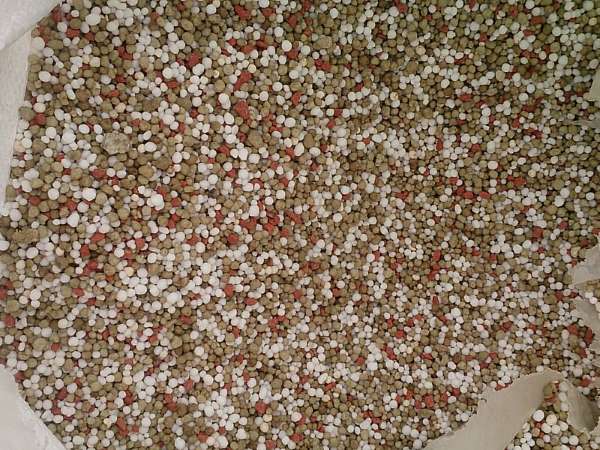
Malawi’s efforts to reduce reliance on imported fertiliser have received a boost following the launch of a new local blending facility by Wait Holdings, which has begun operations in Blantyre under its MlimiFert brand.
The Malawian-owned company commissioned the plant at Lunzu in January 2026 with an installed production capacity of 50 metric tonnes (MT) per hour, equivalent to about 30,000MT per month.
The development is expected to strengthen the country’s agricultural input supply chain while supporting national fertiliser programmes and commercial farming.
According to Nation Online, a local media outlet, the investment comes as Malawi seeks to lessen dependence on costly imported fertilisers and adopt crop- and soil-specific technologies suited to local farming conditions.
Wait Holdings managing director Irene Mlundira said the project was designed to address growing demand for locally produced fertiliser blends tailored to Malawi’s agricultural needs.
“The project is fully operational with blending systems, storage facilities, and quality control processes already in place and installed production capacity of up to 50MT per hour, or 30,000MT per month,” Mlundira was quoted as saying.
She added that the facility is already supplying the market with fertiliser blends customised for local soils and crops.
The plant manufactures a range of NPK fertiliser blends for crops including maize, tobacco, tea, legumes, fruits and horticultural produce. It also features an on-site soil testing laboratory for fertiliser verification, raw material inspection and soil analysis.
The company said the laboratory services would help farmers and institutional buyers obtain precise fertiliser recommendations, improving crop productivity while minimising input waste.
Wait Holdings also plans to invest an additional $5 million (about K8.7 billion) to expand its blending capacity and strengthen its distribution network across the country. Although the company did not disclose the initial cost of establishing the plant, Mlundira said new regional outlets are expected to open in Lilongwe and Mzuzu later this year to improve fertiliser access nationwide.
Agriculture policy expert Tamani Nkhono-Mvula welcomed the investment, describing it as timely for Malawi’s agriculture-driven economy, which remains heavily dependent on imported fertilisers from regions such as Russia and the Middle East.
“When you have alternative initiatives like these, this becomes good news and something we need to promote,” Nkhono-Mvula said, according to the publication.
Civil Society Agriculture Network chairperson Herbert Chagona also highlighted the importance of local fertiliser production, especially as Malawi continues to face foreign exchange shortages that have constrained imports.
“International companies have expressed willingness to invest in fertiliser plants, which highlights the viability of such projects,” Chagona said.
The Fertiliser Association of Malawi estimates that the country requires between 450,000MT and 475,000MT of fertiliser annually. However, imports have frequently been disrupted by foreign currency shortages and global supply constraints, increasing pressure on the government and private sector to develop local production capacity.