


Smallholder farmers in Zambia are demonstrating how improved soil management, better water use, and digital climate information can strengthen agricultural resilience at the Water and Soil Accelerator (WASA) Project Field Day on 15 April 2026 in Katete, hosted by Solidaridad and the International Water Management Institute (IWMI).
Held under the theme “Soil, Water and Resilience: Climate-Smart Farming for Thriving Communities”, the event brings together farmers, community leaders, researchers, and policymakers to showcase practical solutions helping farmers adapt to climate change.
The field day forms part of the Water and Soil Accelerator (WASA) project, a multi-partner initiative working to strengthen climate resilience for 75,000 smallholder farmers across Eastern, Central, and Southern Zambia by improving soil health, water management, and access to climate-smart technologies.
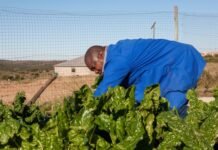
During the event, farmers will demonstrate regenerative agricultural practices such as biochar production, which improves soil fertility, increases water retention, and supports long-term soil health. Participants will also visit a community water reservoir with a capacity of two million litres, which provides reliable water access for irrigation and climate-resilient farming.
The project is also scaling digital advisory services that allow farmers to access localized weather forecasts, early warning alerts, and farming recommendations directly on their mobile phones.
“Across Zambia, farmers are facing unpredictable rainfall and declining soil fertility. Through the Water and Soil Accelerator (WASA) project, we are supporting communities with practical solutions that restore soils, improve water access, and provide farmers with the information they need to make better decisions in a changing climate,” said Pamidzai Bota, Regional Programme Manager at Solidaridad, on how the field day highlights the power of farmer-driven innovation in responding to climate change.
According to Dr Ojong Enokenwa Baa, Researcher (Gender, Social Inclusion and Youth) at the International Water Management Institute (IWMI), integrating water management with climate-smart agriculture is essential for building resilient farming systems.
“Water is central to resilient agriculture. By combining improved soil management with sustainable water solutions and digital climate information, we are helping farmers manage risks and protect their livelihoods,” says Dr Baa.
Since its launch, the Water and Soil Accelerator (WASA) project has already supported farmers with climate-smart practices, including biochar production training, improved seed access, and digital advisory services providing localized weather forecasts and early warning alerts.
“The early warning messages we receive through the digital platforms have made a big difference in how we plan our farming activities,” said Adamson Zulu, a local smallholder farmer from Katete District, Zambia. “Before, we relied on guesswork, but now we are able to prepare for dry spells and make informed decisions on planting and input use. This has reduced our risks and improved our confidence as farmers.”
The field day will also provide a platform for farmers to exchange knowledge and share experiences on how climate-smart practices are improving productivity and strengthening household resilience.