


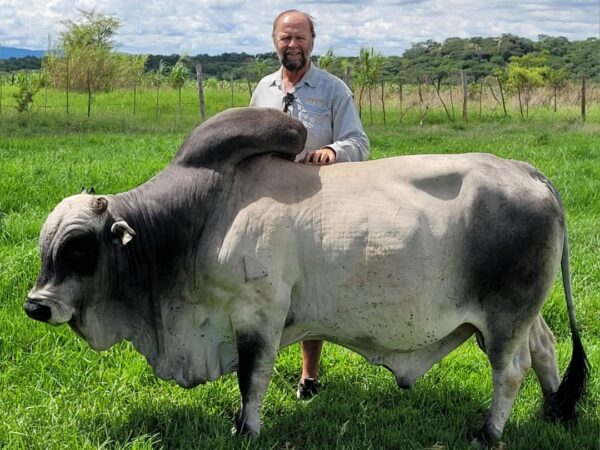
By Mark Hook, Farmer, Zimbabwe
In 2025 alone, an estimated 936,000 hectares of land in Zimbabwe were destroyed by fire. That is not just a statistic—it is a stark reflection of a growing crisis that is silently eroding the backbone of our rural economy and natural heritage.
As a farmer who depends on the land for both livelihood and legacy, I have witnessed firsthand how uncontrolled veld fires are reshaping our environment, diminishing our water resources, and crippling the cattle industry.
What is perhaps most troubling is that the lighting of uncontrolled fires has, over time, become normalized in many rural communities. Whether for land clearing, hunting, or mere negligence, this practice continues with little regard for its devastating long-term consequences yet the cost of this behavior is far greater than many realize.
Effect of the fires
When fires sweep across the land, they leave behind more than blackened earth. They destroy grasses that feed livestock, trees that stabilize soils, and the countless insects and animals that sustain ecological balance.
The immediate visual damage is only the beginning but beneath the surface, the loss of vegetation strips the soil of its protective cover, exposing it to intense heat—often exceeding 50°C. At these temperatures, vital soil microorganisms are killed, and plant root systems are irreparably damaged.
The knock-on effects are severe as without vegetation to slow water movement, rainfall runs off rapidly instead of soaking into the ground leading to increased soil erosion and the silting of rivers and dams—our primary water sources.
As infiltration decreases, groundwater reserves are not replenished, resulting in drying rivers, depleted dams, and worsening water scarcity.
For farmers, these changes are not theoretical—they are deeply personal as poorer soil health leads to reduced crop yields and diminished pasture for grazing. Lower grass availability translates directly into undernourished cattle, reduced calving rates, and declining herd quality.
It is estimated that these “man-made droughts,” caused by wanton burning, are robbing Zimbabwe of between 150,000 and 200,000 calves each year. This represents a massive economic loss, not only to individual farmers but to the national agricultural sector.
Uncontrolled fires also destroy critical infrastructure—fences, barns, and equipment—placing further financial strain on already vulnerable farming communities. In the worst cases, fires claim lives—human, livestock, and wildlife alike—leaving lasting scars on families and ecosystems.
Solution to the crisis
The solution to this crisis is neither complex nor unattainable, but it requires collective will and sustained action.
First, education must be at the forefront, in that, from schoolchildren to farmers to local leaders, all Zimbabweans must understand both the ecological and economic consequences of veld fires as awareness alone, however, is not enough.
There must also be widespread understanding and enforcement of the laws governing fire use so that those who deliberately or negligently start fires must face real consequences. Without enforcement, regulations become meaningless.
Equally important is the need for consistent national fire prevention campaigns. From June to November—the peak fire season—radio, television, and social media platforms should be used aggressively to spread awareness and promote responsible land management practices.
That said, fire itself is not inherently destructive because when used correctly, it can be a valuable management tool. Controlled burning, particularly in wetland areas after the first rains, can help remove old, moribund grass and stimulate fresh growth for grazing. The key distinction is control, timing, and purpose.
Responsibility lies with all
Ultimately, the responsibility lies with all of us since if we are to protect our land, preserve our water resources, and sustain our cattle industry for future generations, we must bring an end to the reckless burning of Zimbabwe’s natural assets.
If we succeed, the benefits will extend far beyond the farm to healthier ecosystems which support greater agricultural productivity, increased livestock numbers, and improved rural livelihoods. In doing so, we can take a meaningful step toward reducing poverty and advancing Zimbabwe’s Vision 2030.
The choice is clear: continue down a path of destruction, or act decisively to safeguard the resources that sustain us. For the sake of our land—and our future—we must choose wisely.