

Food shortages and overcrowded detention facilities are among the major challenges facing prisons in South Sudan. However, a new initiative supported by the United Nations Mission in South Sudan (UNMISS) is transforming prisons into productive spaces through agricultural projects that not only feed inmates but also equip them with valuable skills for life after incarceration.
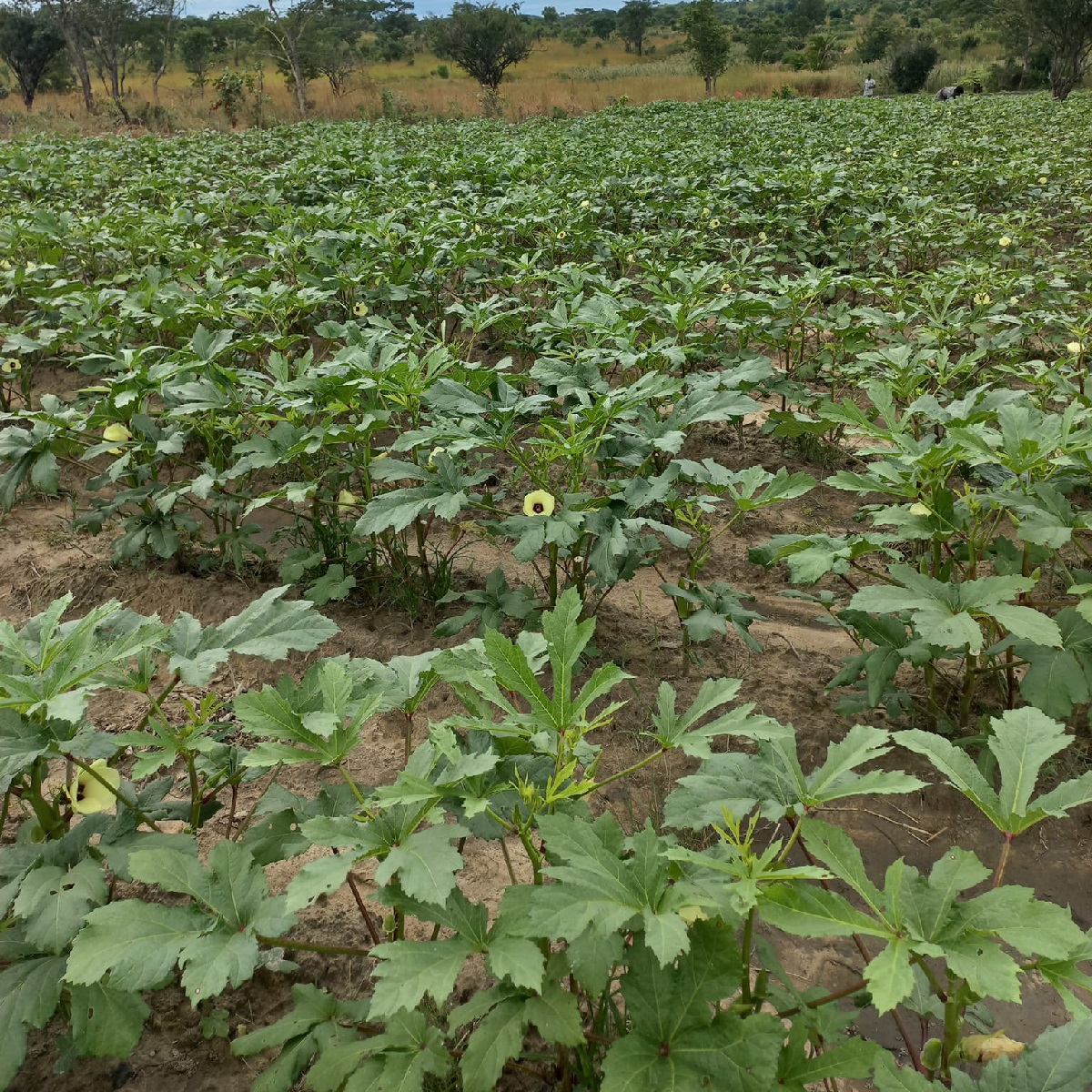
According to a special report by Jaella Brockmann for UNMISS, the initiative centres on establishing prison farms where inmates cultivate crops such as sorghum, cowpeas and groundnuts, helping correctional facilities become more self-reliant in food production while also promoting rehabilitation.
The initiative, known as the Green Corrections Initiative, is implemented in partnership with the Food and Agriculture Organization (FAO) and the National Prison Service of South Sudan. It aims to tackle severe food insecurity in prisons while providing agricultural training to inmates and prison officers.
South Sudan has experienced years of conflict, flooding and economic challenges that have disrupted food production and supply chains. These pressures are particularly severe in prisons, where overcrowding often worsens shortages of food and basic necessities. In some cases, facilities designed for a few hundred inmates house several times their intended capacity, stretching already limited resources.
To address this situation, UNMISS supported the establishment of prison farms on available land near correctional facilities. According to the report, inmates are transferred to these agricultural sites where they participate in planting, cultivating and harvesting crops. Through this process, they gain practical farming skills that can help them reintegrate into society once their sentences end.
Joseph Banda, a corrections officer working with the UN peacekeeping mission, explained that the approach uses an “open camp” concept, where inmates with short sentences or those nearing release are engaged in agricultural activities to produce food for the prison system. “We have used an ‘open camp’ concept by engaging inmates with short prison terms to produce their own food,” Banda told UNMISS.
The impact has been significant. Harvests from the prison farms have already produced large quantities of crops, with storerooms filled with bags of groundnuts, cowpeas and sorghum. The produce supplements prison meals and helps reduce dependence on external food supplies.
Beyond improving food availability, the project also provides inmates with a sense of purpose and hope for the future. According to the special report by Brockmann, participating prisoners say working on the farm has helped them learn valuable skills that could help them build a better life after release.
“Initially, I was hesitant when we were brought here. But now, thanks to the livelihood skills I have acquired tending to crops in the prison farm, I have hope that I will be able to build a good life once I complete my sentence,” inmate James Kuoh told UNMISS.
Officials say the initiative demonstrates how prison reforms can address multiple challenges at once. By combining agricultural production with rehabilitation, the project improves nutrition, reduces pressure on prison budgets and prepares inmates for productive lives after incarceration.
According to the report, the mission plans to expand the prison farm model to other parts of South Sudan and potentially extend similar agricultural projects to surrounding communities. The initiative is therefore not only tackling hunger inside prisons but also planting seeds of hope, dignity and economic opportunity for the future.