

The rapid evolution of agricultural technology is reshaping how farmers manage crops, improve yields, and address labor shortages. Among the most impactful innovations is the adoption of agriculture spraying drones—unmanned aerial systems designed to deliver crop protection inputs with precision and efficiency. As Africa’s agricultural sector faces mounting pressure to enhance productivity while conserving resources, spraying drones are emerging as a transformative solution.
According to Data Intelo, the global agriculture spraying drones market size reached USD 1.42 billion in 2024, driven by rapid technological advancements and the increasing need for precision farming solutions. The market is expected to grow at a robust CAGR of 22.8% from 2025 to 2033, projecting a value of USD 6.16 billion by 2033.
The Rise of Drone-Assisted Crop Spraying
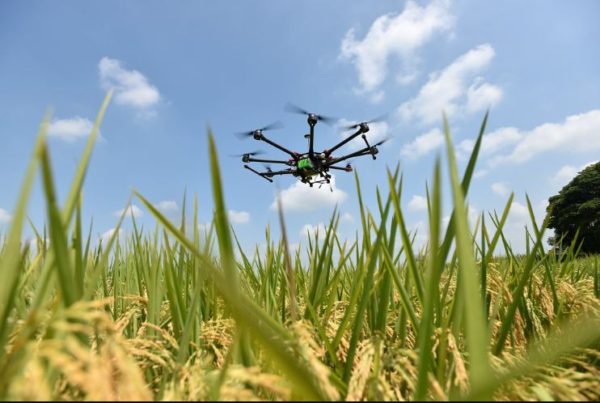
Agriculture spraying drones are engineered to apply fertilizers, pesticides, and herbicides directly to crops using advanced navigation systems, GPS mapping, and automated flight controls. Unlike traditional methods such as manual spraying or tractor-mounted equipment, drones provide targeted application, minimizing chemical waste and reducing environmental impact.
Across several African countries, governments and agritech stakeholders are increasingly exploring drone technology to address challenges such as uneven terrain, fragmented land holdings, and limited access to mechanization. In regions where smallholder farming dominates, drones offer a scalable and cost-effective alternative to conventional spraying systems.
Market Growth and Future Outlook
The agriculture spraying drone market has witnessed steady growth in recent years, driven by rising demand for precision farming tools and sustainable agricultural practices. Industry analysis indicates that the market, valued significantly in 2024, is projected to expand at a strong compound annual growth rate (CAGR) through 2033.
Key growth drivers include:
- Increasing awareness of precision agriculture techniques
- Rising labor costs and workforce shortages
- Government support for smart farming initiatives
- Advancements in drone battery life and payload capacity
As the technology becomes more accessible, adoption is expected to accelerate not only among large-scale commercial farms but also among cooperatives and smallholder groups.
Technical Advancements Driving Efficiency
Modern spraying drones are equipped with sophisticated features that enhance performance and reliability. These include:
- GPS and GIS Integration: Enables precise mapping of farmland and optimized spray routes
- Variable Rate Technology (VRT): Adjusts chemical application based on crop needs
- Obstacle Avoidance Systems: Ensures safe operation in complex environments
- Automated Flight Planning: Reduces the need for manual intervention
Additionally, improvements in battery efficiency and lightweight materials have increased flight duration and payload capacity, allowing drones to cover larger areas in less time.
Benefits for African Agriculture
The adoption of spraying drones presents several advantages for farmers across the continent:
- Enhanced Precision and Reduced Waste
Drones deliver inputs directly to targeted areas, reducing over-application and minimizing chemical runoff. This not only lowers costs but also supports environmental sustainability.
- Labor Efficiency
With labor shortages becoming a growing concern in many agricultural regions, drones help reduce dependency on manual labor while improving operational efficiency.
- Accessibility in Challenging Terrains
Many African farms are located in areas with difficult terrain where traditional machinery cannot operate effectively. Drones can easily navigate such landscapes, ensuring consistent crop management.
- Improved Crop Health Monitoring
Some advanced drones are integrated with imaging sensors that allow farmers to monitor crop health, detect pest infestations, and identify nutrient deficiencies in real time.
Challenges and Considerations
Despite the promising outlook, several challenges must be addressed to ensure widespread adoption:
- Regulatory Frameworks: Drone usage regulations vary across countries and can limit operational flexibility
- Initial Investment Costs: Although costs are decreasing, upfront investment remains a barrier for smallholder farmers
- Technical Expertise: Effective use of drones requires training and technical knowledge
- Infrastructure Limitations: Reliable internet connectivity and power supply are essential for optimal drone operation
Addressing these challenges will require collaboration between governments, private sector players, and agricultural organizations.
Role of Policy and Partnerships
Governments across Africa are beginning to recognize the potential of drone technology in agriculture. Policy support, including streamlined licensing processes and incentives for agritech adoption, can significantly boost market growth.
Public-private partnerships are also playing a crucial role in promoting drone usage. Agritech companies, research institutions, and farmer cooperatives are working together to provide training programs, financing options, and shared drone services.
Such collaborative models are particularly important in ensuring that smallholder farmers—who form the backbone of African agriculture—can benefit from these technological advancements.
Sustainability and Environmental Impact
Sustainability is a key consideration in modern agriculture, and spraying drones contribute positively in several ways. By enabling precise application of agrochemicals, drones reduce environmental contamination and promote responsible farming practices.
Furthermore, drones consume less fuel compared to traditional machinery, lowering carbon emissions. As climate change continues to impact agricultural productivity, adopting eco-friendly technologies like spraying drones becomes increasingly important.
Looking Ahead
The future of agriculture spraying drones in Africa looks promising, with continued innovation expected to drive adoption and efficiency. Integration with artificial intelligence (AI), machine learning, and data analytics will further enhance the capabilities of these systems, enabling predictive farming and smarter decision-making.
As awareness grows and costs decline, spraying drones are set to become an integral part of Africa’s agricultural landscape. By improving productivity, reducing resource wastage, and supporting sustainable practices, this technology has the potential to significantly contribute to food security and economic growth across the continent.
Regional Market Intelligence and Research Support
This comprehensive Agriculture Spraying Drones study by DataIntelo provides in-depth insights into market size, deployment models, component segmentation, application trends, regional performance, and competitive positioning through 2033.
For additional industry research and technology market intelligence, readers may also explore complementary datasets available at
Read Full Report: https://dataintelo.com/report/agriculture-spraying-drones-market