

By Zablon Oyugi
The 43rd edition of Macfrut 2026 is set to reaffirm its position as one of the most dynamic platforms in the global horticulture sector when it convenes at the Rimini Expo Centre from April 21st to 23rd, 2026.
With a renewed focus on innovation, internationalisation and supply chain integration, this year’s event promises to be a milestone for industry stakeholders navigating a rapidly evolving global produce market.
“Macfrut 2026 marks a further step forward in our growth path, both in terms of international reach and overall quality,” said Patrizio Neri, Macfrut President.
This ambition is reflected in the participation of 800 top international buyers, brought in through collaboration with the Italian Trade Agency and a sustained programme of global missions.
More than 20 African countries are expected to take part, underlining the fair’s deepening engagement with emerging markets and its role as a bridge between continents.
New exhibition layout
One of the most striking innovations this year is the new design of the exhibition layout as the event will be organised into three macro areas—Pre-Harvest, Post-Harvest and Healthy Food—offering a seamless representation of the fruit and vegetable supply chain.
“The new layout follows a clear objective: to strengthen Macfrut’s identity as a supply chain trade fair,” says Neri. “The structure reflects the natural journey of the product: from agricultural production and pre-harvest activities, to post-harvest management and marketing, and finally to products aimed at the end consumer.”
According to the president the reorganisation is more than cosmetic as it is designed to improve navigation, enhance clarity and facilitate meaningful connections between exhibitors and visitors.
Within these macro areas, specialised sections such as Plant Nursery and Biosolutions and Digital Technologies (BDT) will showcase cutting-edge advancements in varietal innovation, plant protection, nutrition and digital agriculture.

Demonstration fields spanning 2,500 square metres will further bring innovation to life, allowing participants to experience technologies in real-world conditions.
Innovation, indeed, is a defining pillar of the 2026 edition since from artificial intelligence and digital farming tools to sustainable water management and agrivoltaic systems, the event will emphasise practical, application-oriented solutions.
“Innovation is presented as a practical tool to improve competitiveness, sustainability and efficiency across the entire supply chain,” Neri explains.
A standout feature is the over 1,000 square metres Acqua Campus, an interactive experimental area dedicated to water management, where visitors can engage directly with the latest research and technologies in open-field settings.
Spotlight on avocado and mango
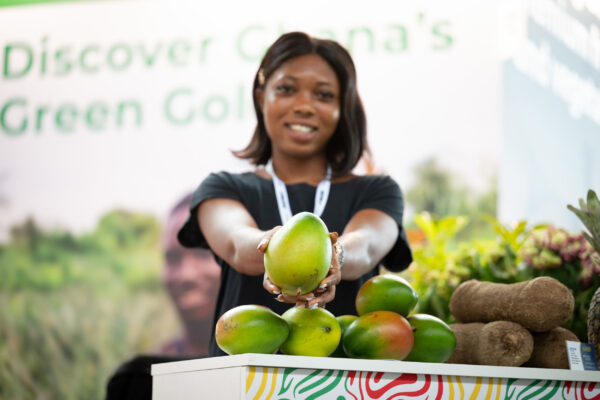
Another major highlight is the spotlight on avocado and mango—two fruits emblematic of global market expansion. Together, the fruits represent a business exceeding $80 billion and are experiencing rising demand across Europe and the Mediterranean.
“We chose avocado and mango because they are emblematic of a rapidly growing global market, with rising consumption,” says Neri.
He adds that a dedicated “Mango & Avocado Explosion” hub will serve as a high-level B2B platform, bringing together suppliers, buyers and experts for three days of networking, market analysis and partnership building.
The spotlight on these fruits is closely linked to the event’s special focus on the Caribbean, a region emerging as a powerhouse in tropical produce exports.
According to Neri, countries such as the Dominican Republic, Cuba, Costa Rica, Colombia and Ecuador will feature prominently, alongside Latin American players including Chile, Argentina, Brazil and Peru.
“The objective is to foster increasingly structured dialogue between Caribbean stakeholders and European markets, creating tangible connections across the entire supply chain.”
In Santo Domingo, we also signed a three-year agreement with the Ministries of Agriculture and Industry and Trade of the Dominican Republic, which will bring the country to Macfrut 2026 with a large national stand of 400 sqm, involving institutions, buyers, exporters and producers, and expanding participation to processed products, he says.
Healthy Food
The introduction of the Healthy Food macro area also signals a forward-looking response to changing consumer preferences. Divided into segments covering healthy food, spices and herbs, and organic produce, the area reflects growing demand for nutritious, sustainable and minimally processed products.
“This is not just about following a trend, but responding to a structural shift,” Neri notes, pointing to the increasing investment by modern retail in health-oriented categories.
As climate change, trade disruptions and shifting policies reshape the global agricultural landscape, Macfrut positions itself as more than a trade fair. It is a platform for resilience, dialogue and actionable solutions.
“Our model is based on a supply chain trade fair that integrates business and knowledge, connecting research, technology and markets,” says Neri.
Looking ahead, the vision is ambitious. With its new claim, “Make it Juicy,” Macfrut aims to evolve into a year-round international hub for innovation and business in the fruit and vegetable sector.
“Macfrut must increasingly become an international business and content platform operating 365 days a year capable of transforming industry trends into real opportunities for operators,” said the president.